Shenandoah National Park

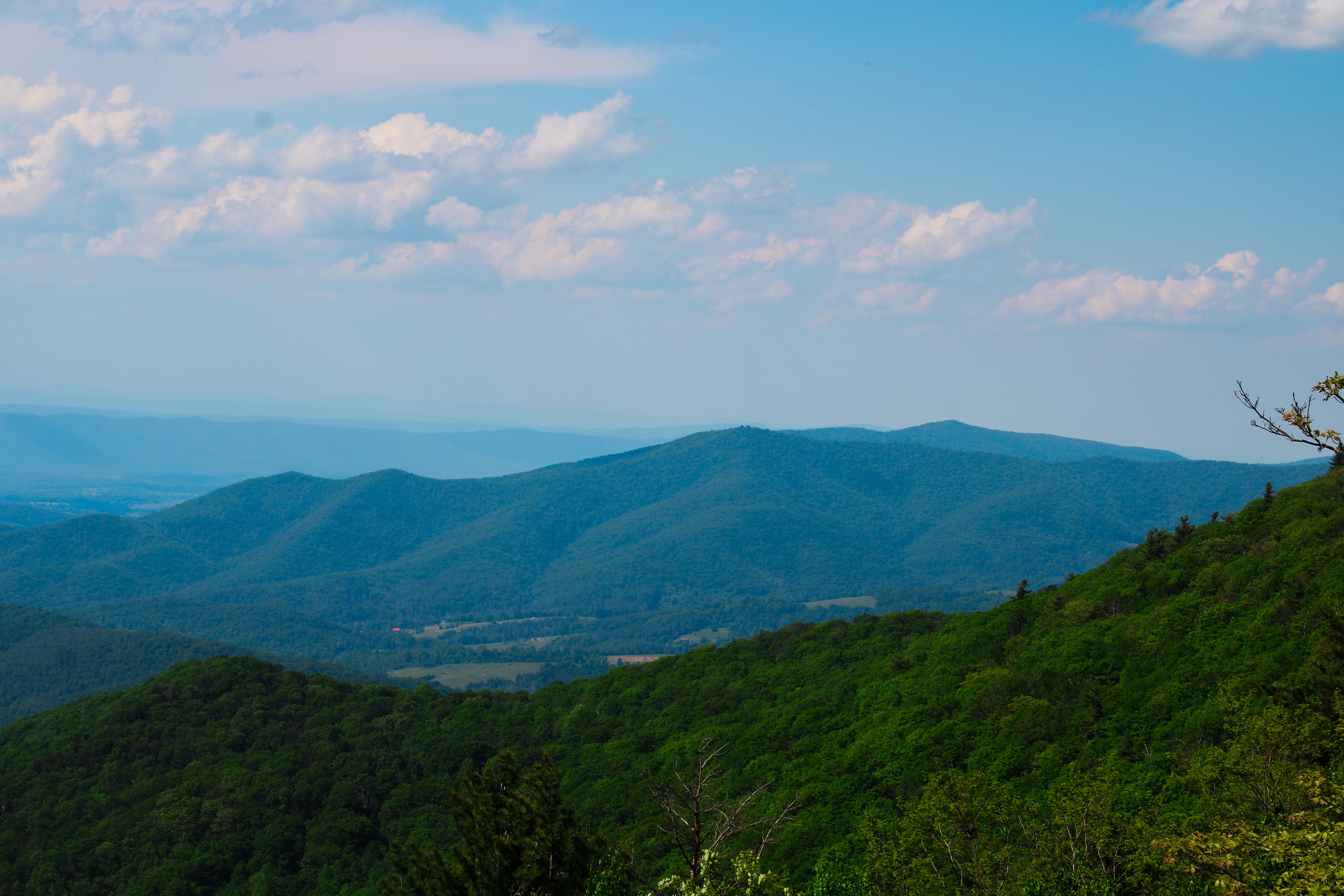
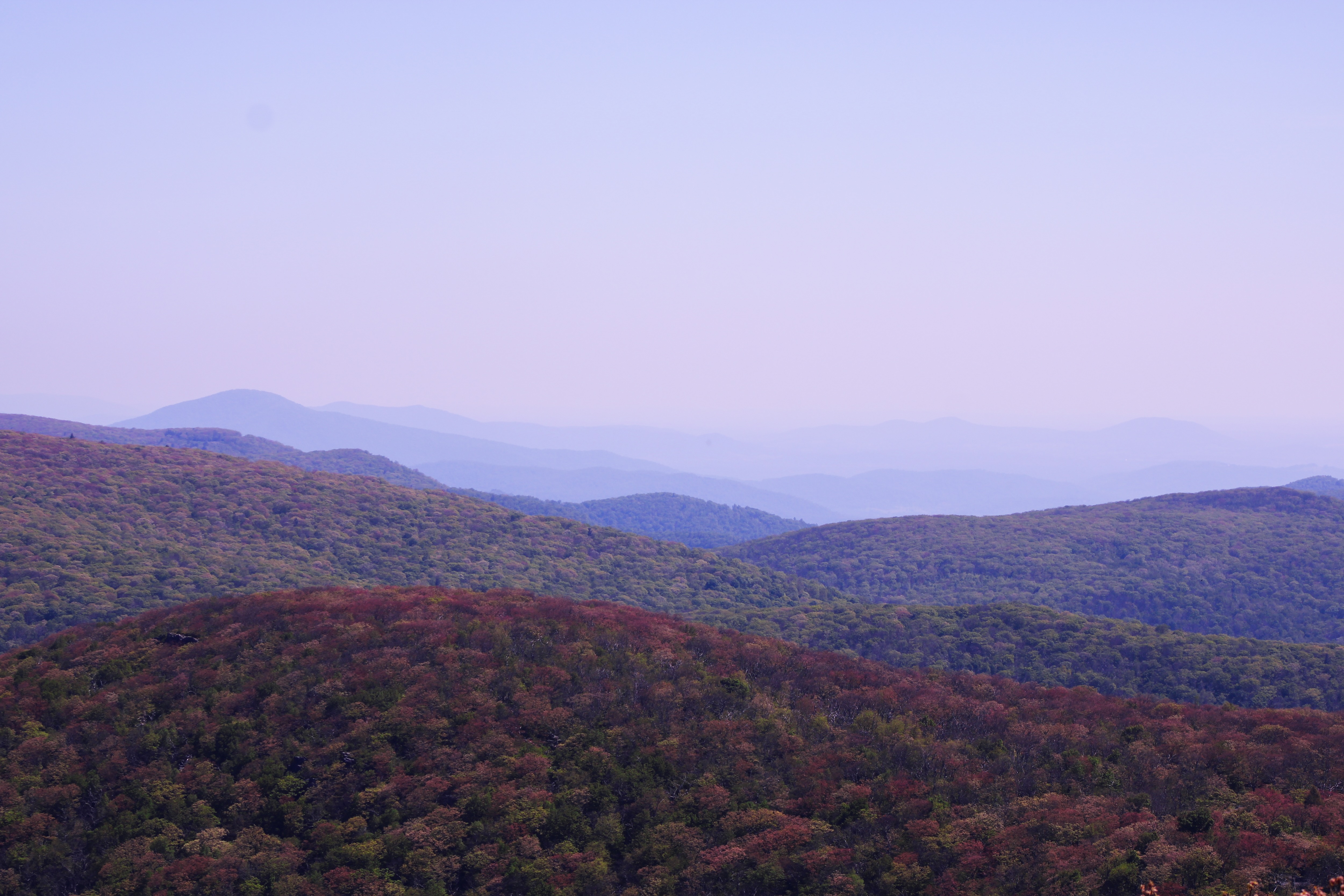
Shenandoah National Park is a landscape shaped by both immense geological time and human history. The Blue Ridge Mountains, which form the backbone of the park, are among the oldest mountain ranges on Earth. Formed more than a billion years ago during the creation of Pangea, the once massive peaks eroded over time into the ridges, valleys, waterfalls, and overlooks seen today. The park now protects oak, hickory, and hemlock forests, as well as black bears, white-tailed deer, foxes, bobcats, and hundreds of bird species.
Long before Shenandoah became a national park, Native Americans traveled through and used the mountains seasonally for hunting and gathering. Archaeological evidence shows Indigenous groups were present in the area at least 8,000 to 9,000 years ago, leaving behind stone tools and other artifacts that document some of the earliest human interactions with the land.
By the eighteenth and nineteenth centuries, the mountains had become home to farms, orchards, logging operations, and small communities. During the Civil War, troops frequently moved through the region because of its strategic location, though no major battles were fought within park boundaries. In the early twentieth century, events such as the chestnut blight dramatically changed the forests and strengthened arguments for preserving the landscape as a national park.
Shenandoah officially entered the National Park System in 1926 and was formally established in 1935 after years of land acquisition. Unlike western parks, which were formed from existing federal land, eastern parks had to be created through the acquisition of numerous private properties. The creation of the park came with major human costs, as more than 400 families living in mountain communities were displaced from the land. Although many structures disappeared, traces of roads, cemeteries, and homesteads still remain throughout the park today.
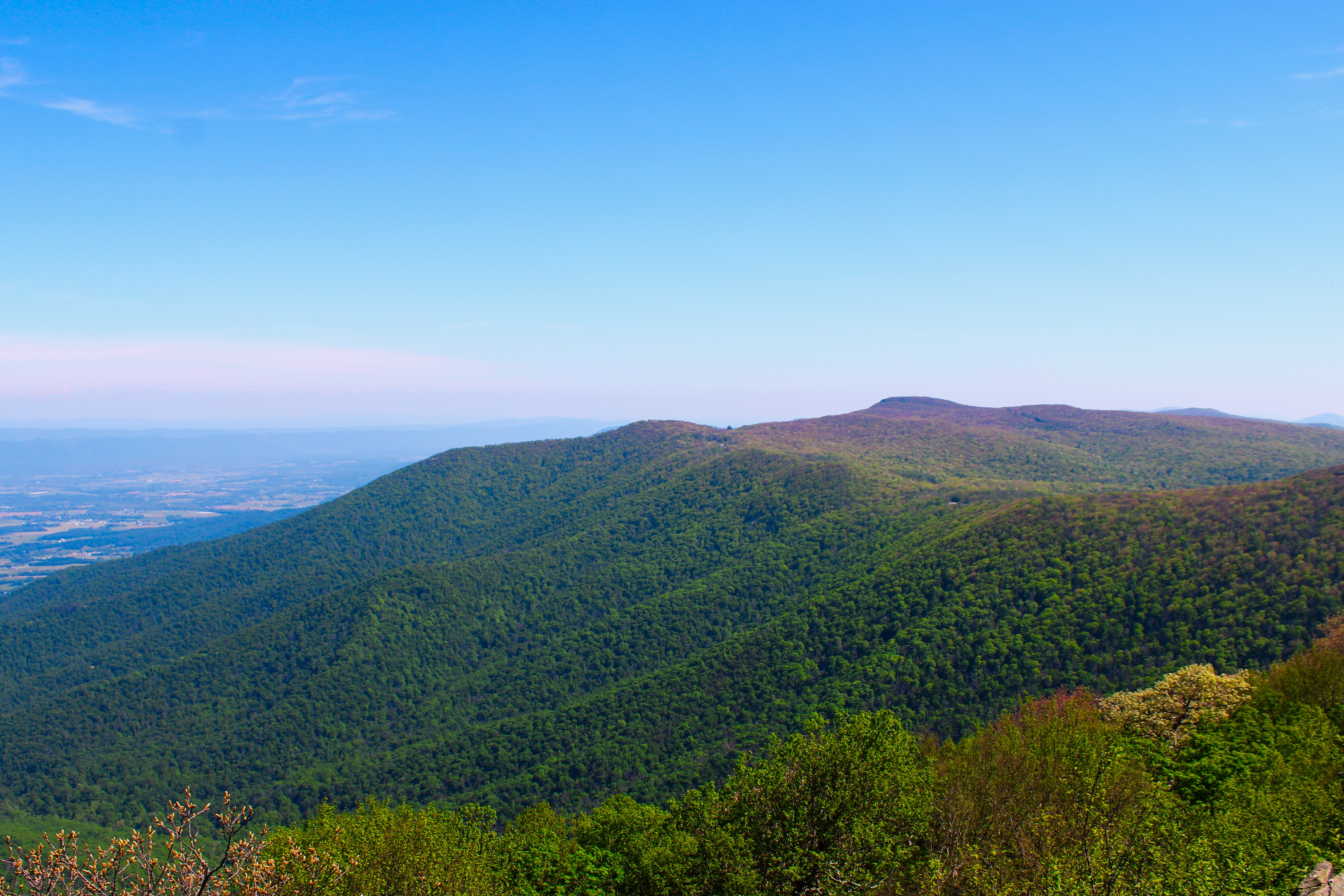
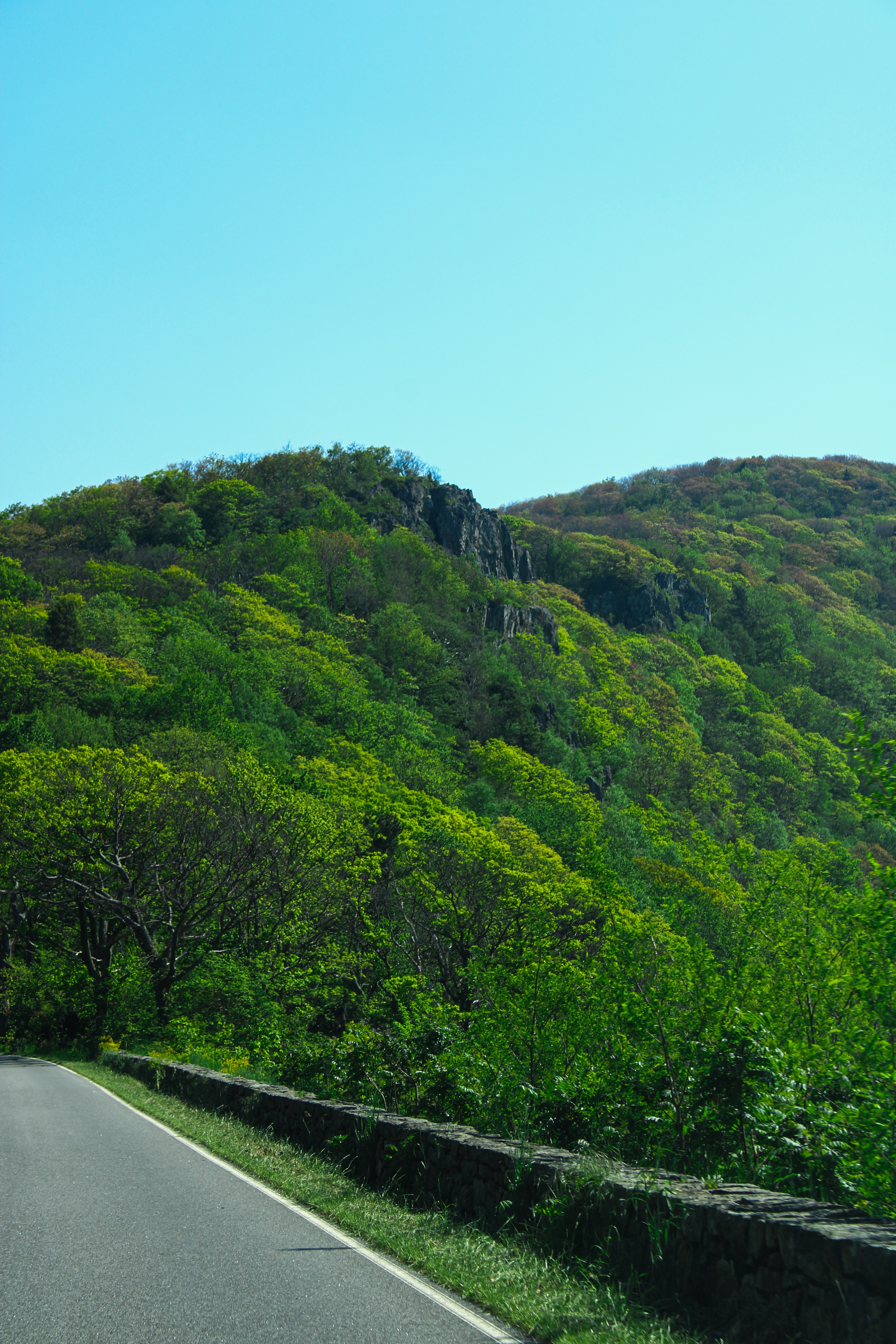
Stony Man Cliffs From the Skyline Drive
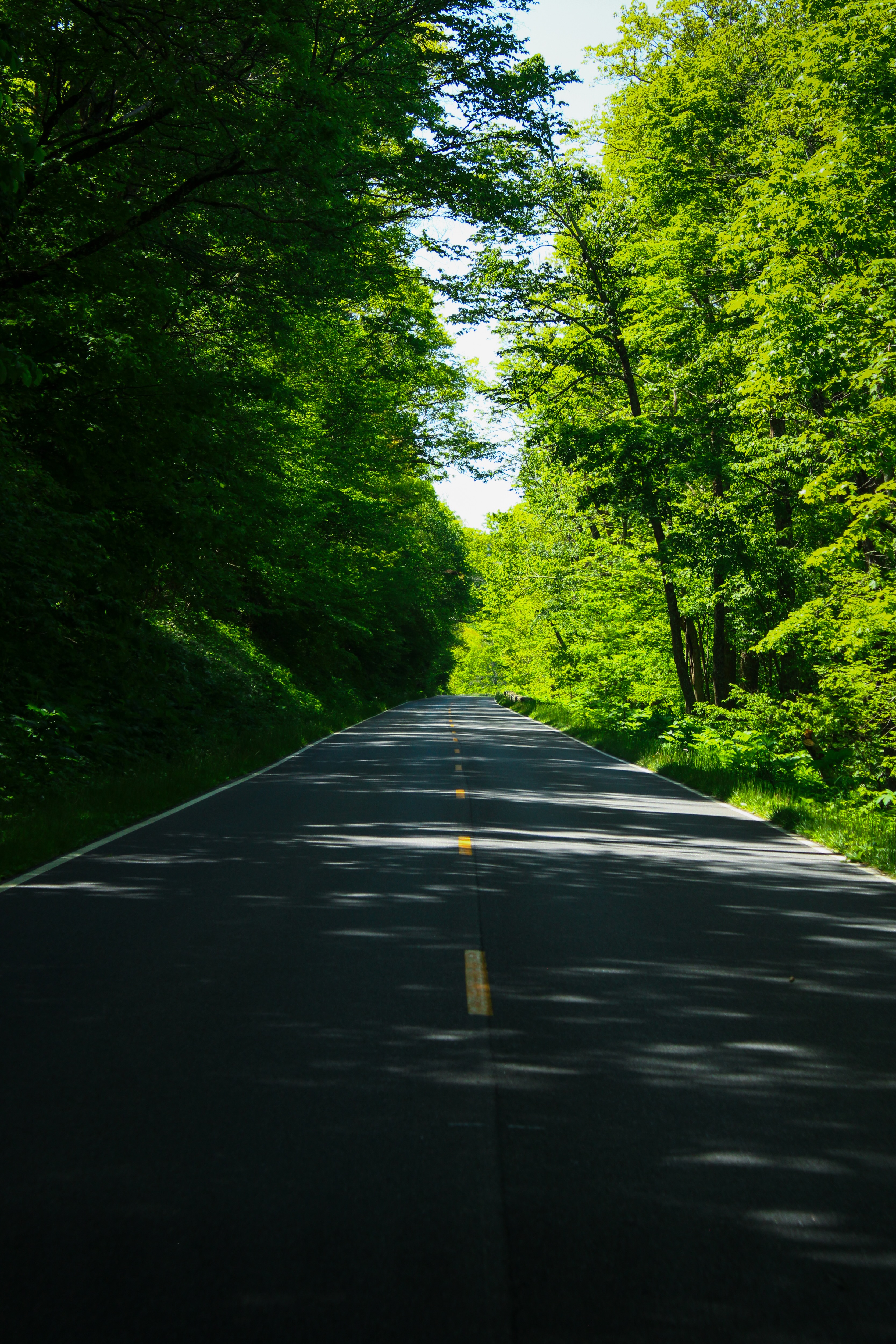
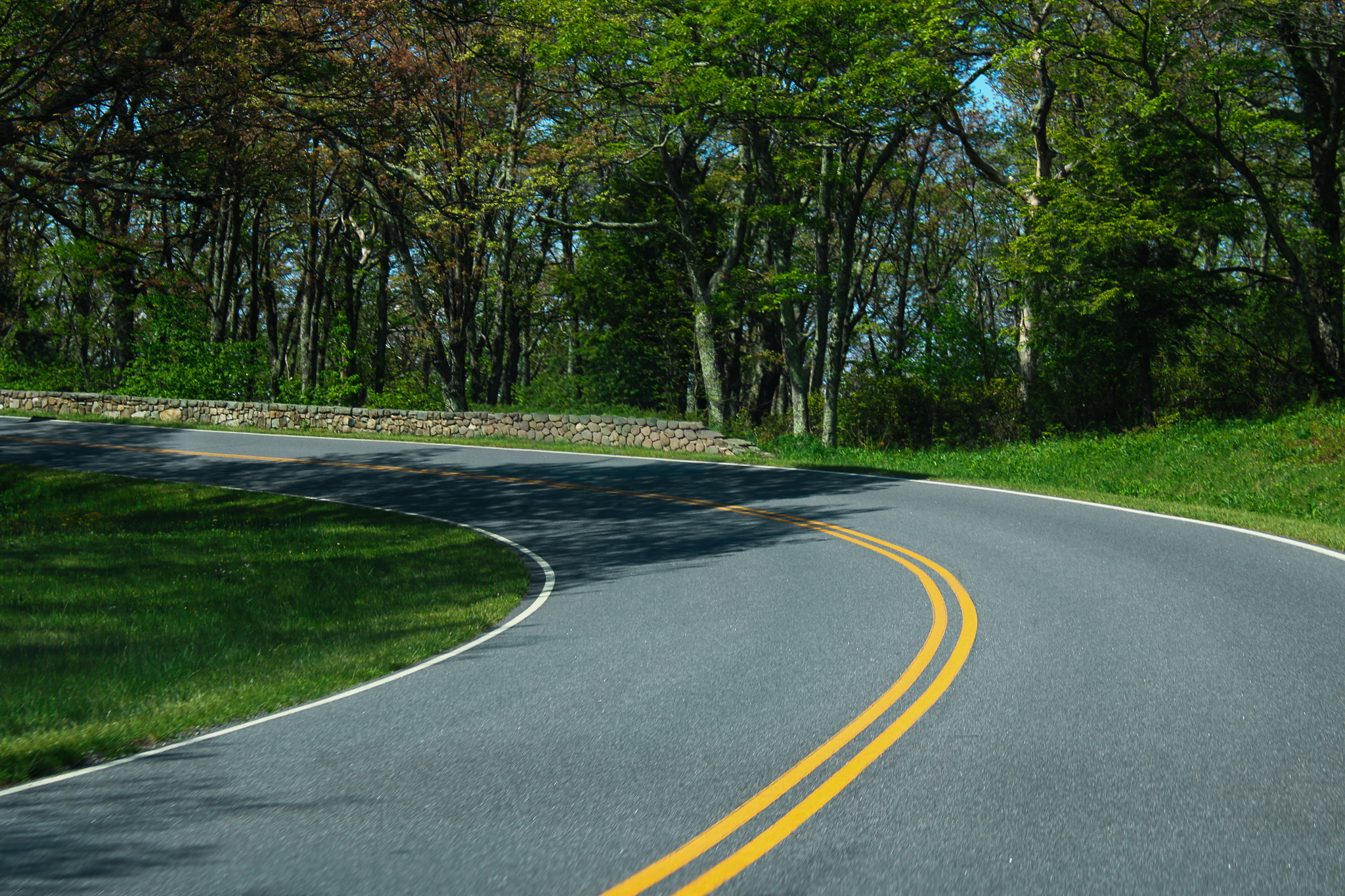
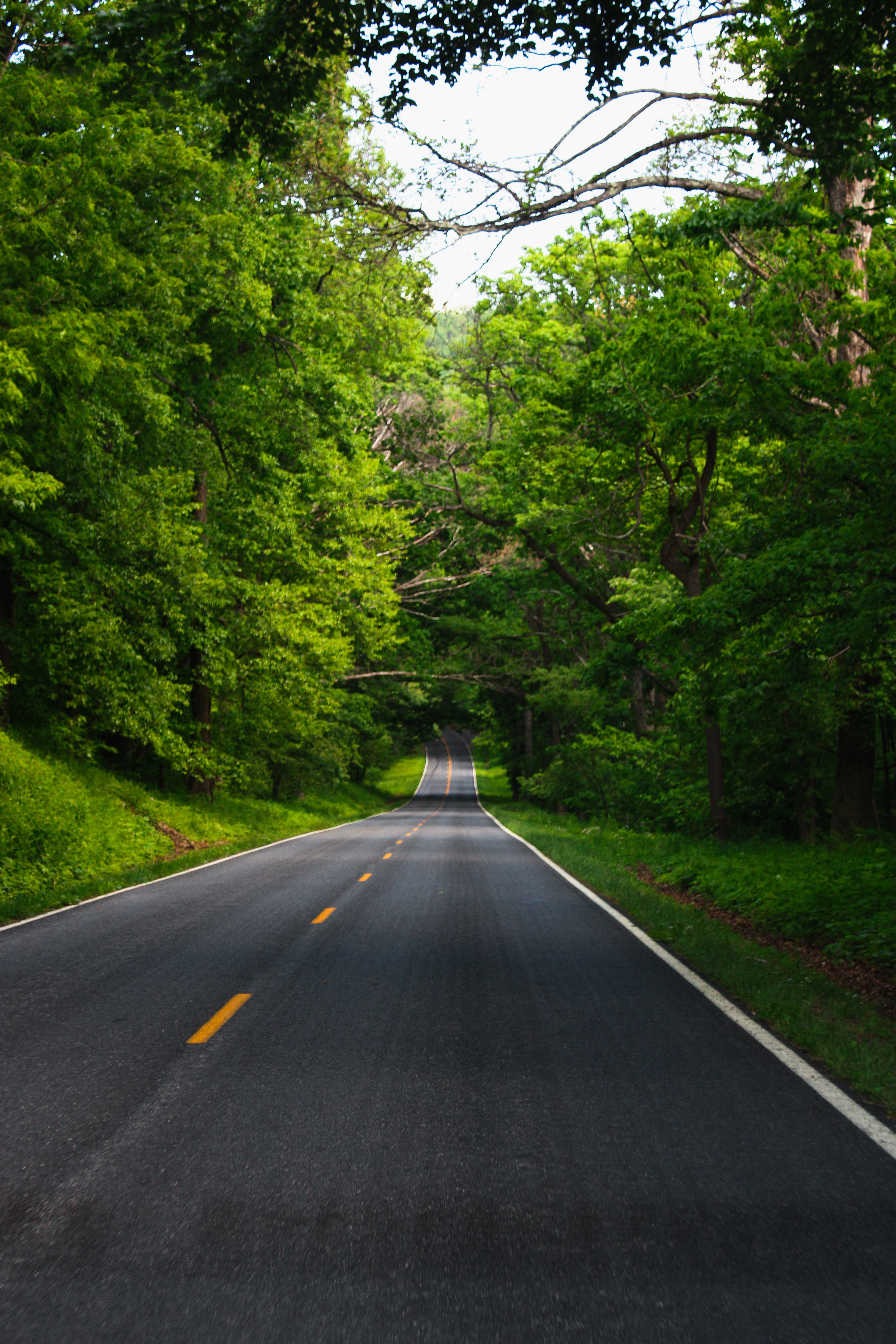
Much of Shenandoah’s modern identity was shaped by the Civilian Conservation Corps during the Great Depression. Between 1933 and 1942, CCC workers built trails, overlooks, picnic grounds, and many of the rustic stone structures that are still used in the park today. Their most significant project was Skyline Drive, the 105-mile scenic road stretching along the crest of the Blue Ridge Mountains from Front Royal to Rockfish Gap. Skyline Drive transformed Shenandoah into one of the most accessible national parks in the country and remains one of its defining features today.
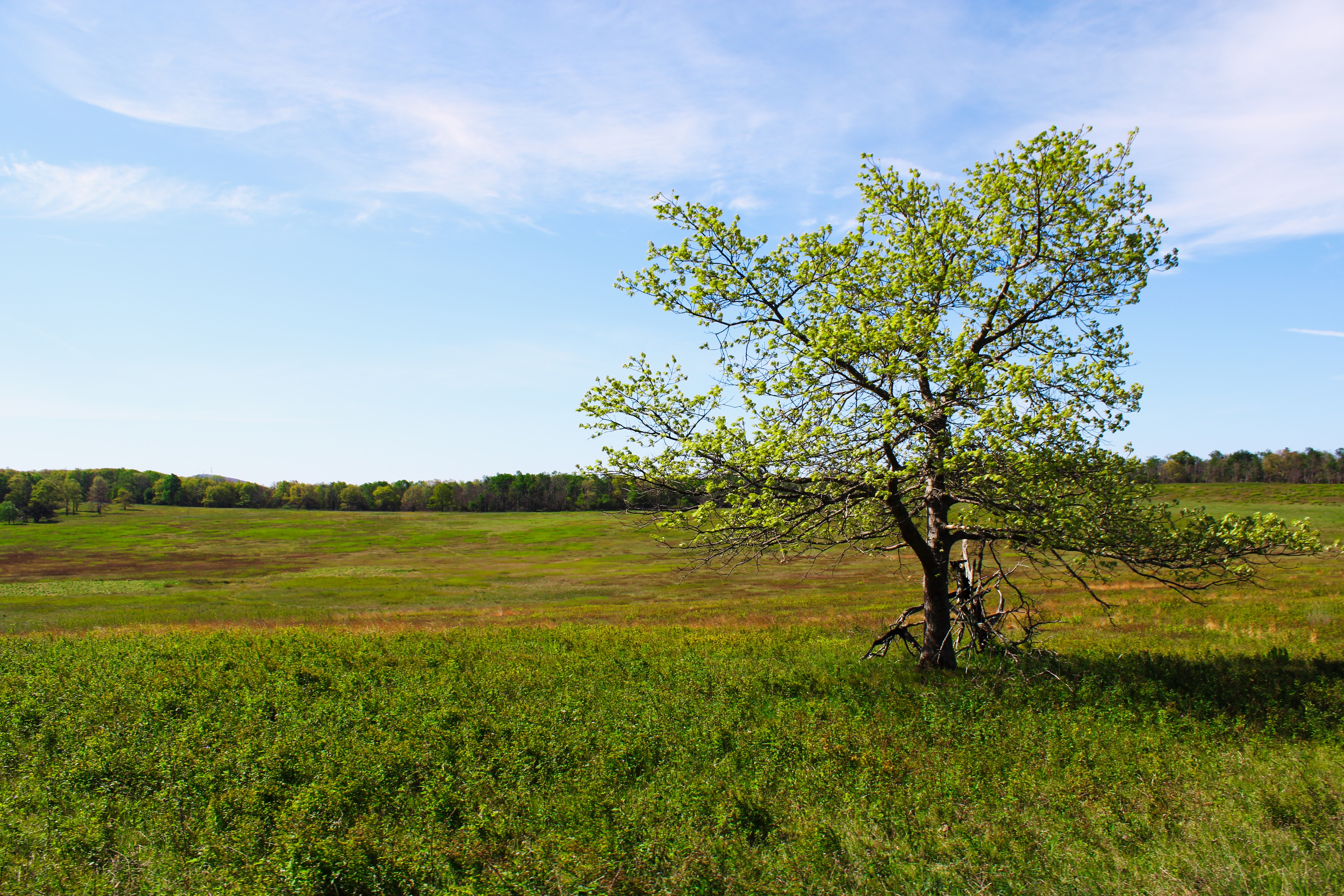
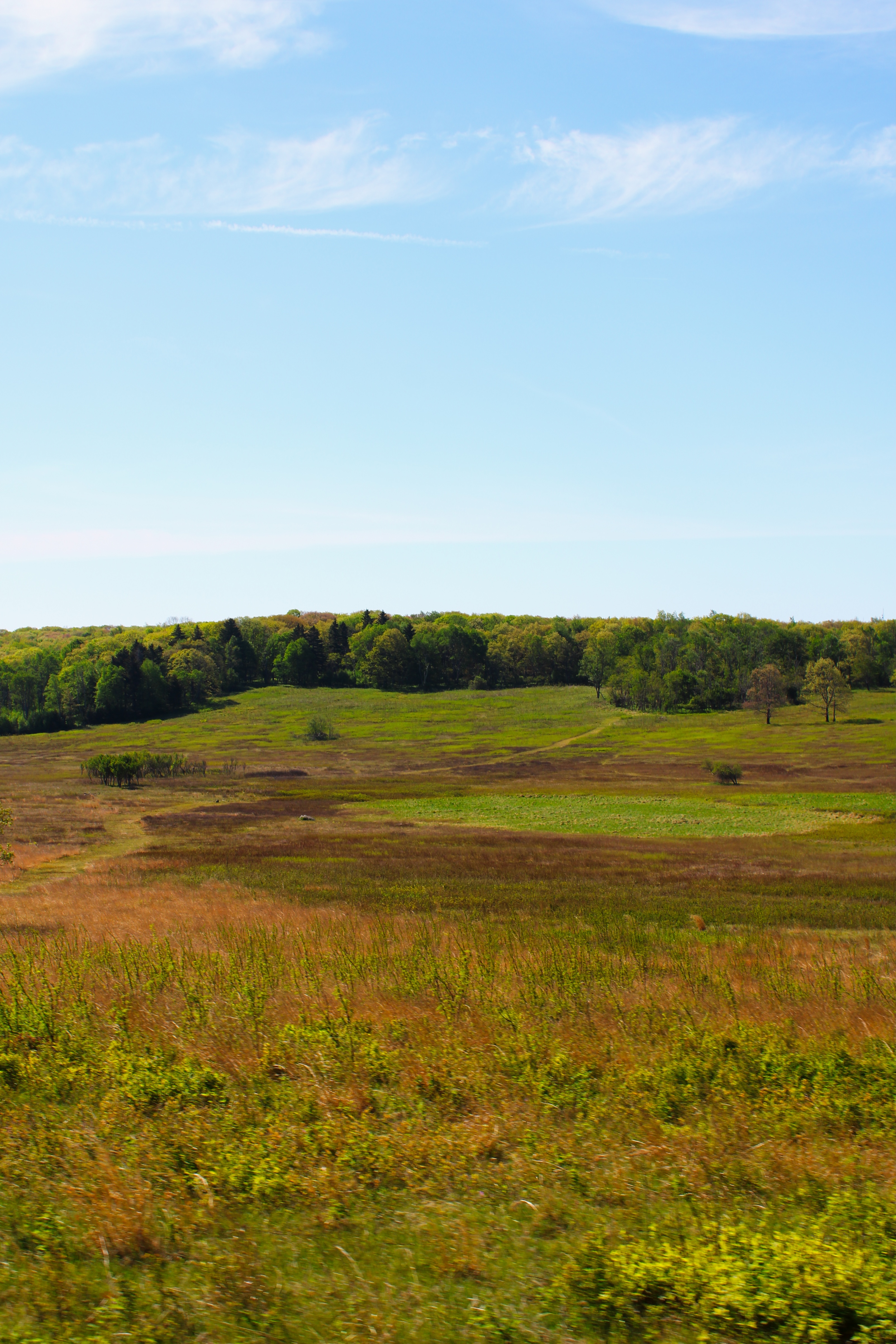
President Franklin D. Roosevelt officially dedicated Shenandoah National Park on July 3, 1936 at Big Meadows, now one of the park’s central campgrounds. The meadow became an important symbol of the park’s opening and its connection to New Deal-era conservation projects. Today, exhibits and trails highlight its Indigenous, conservation, and CCC history.
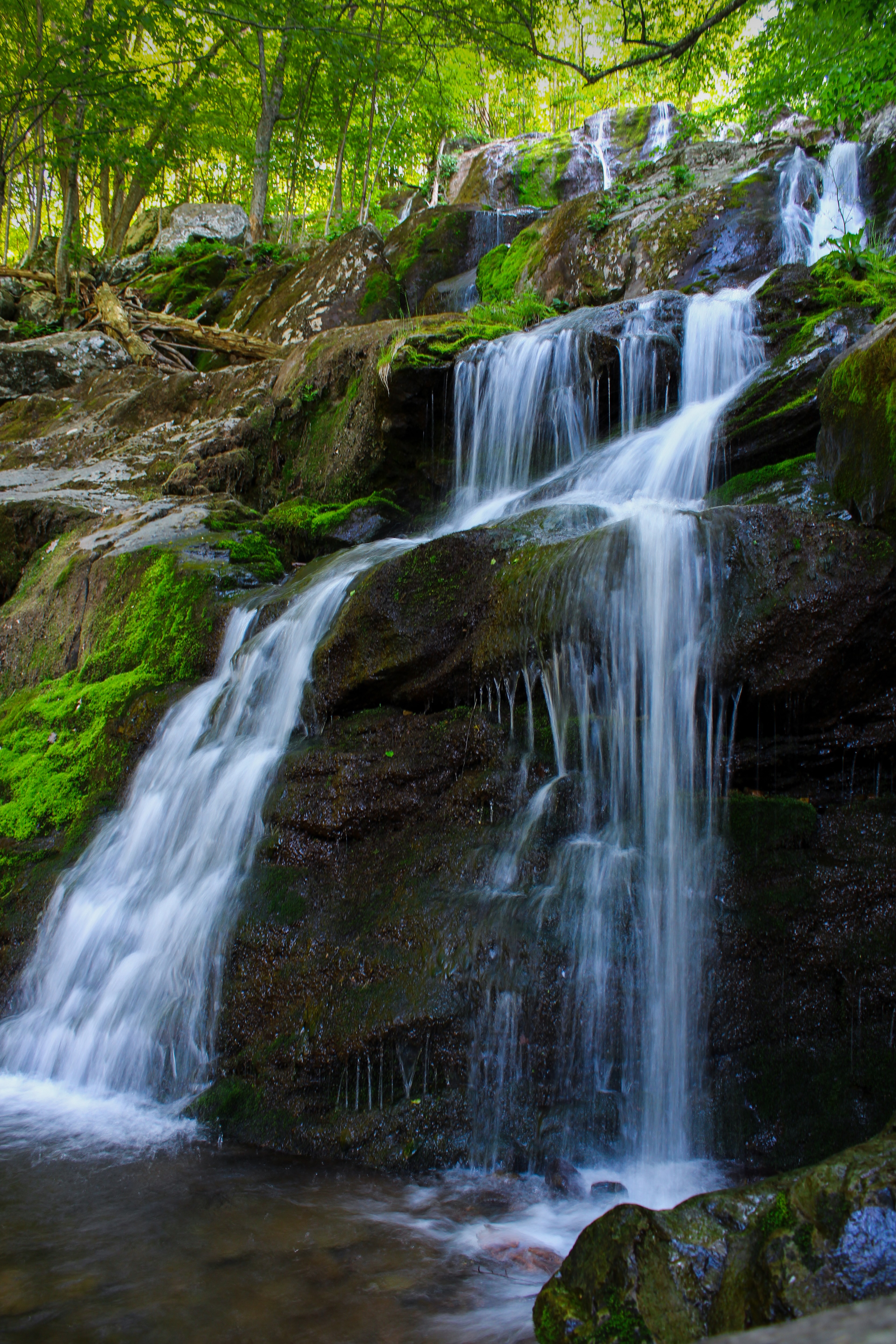
Visitors experience Shenandoah through its forests, overlooks, waterfalls, and historic landmarks, many of which reflect the park’s long history of conservation and human interaction with the landscape.
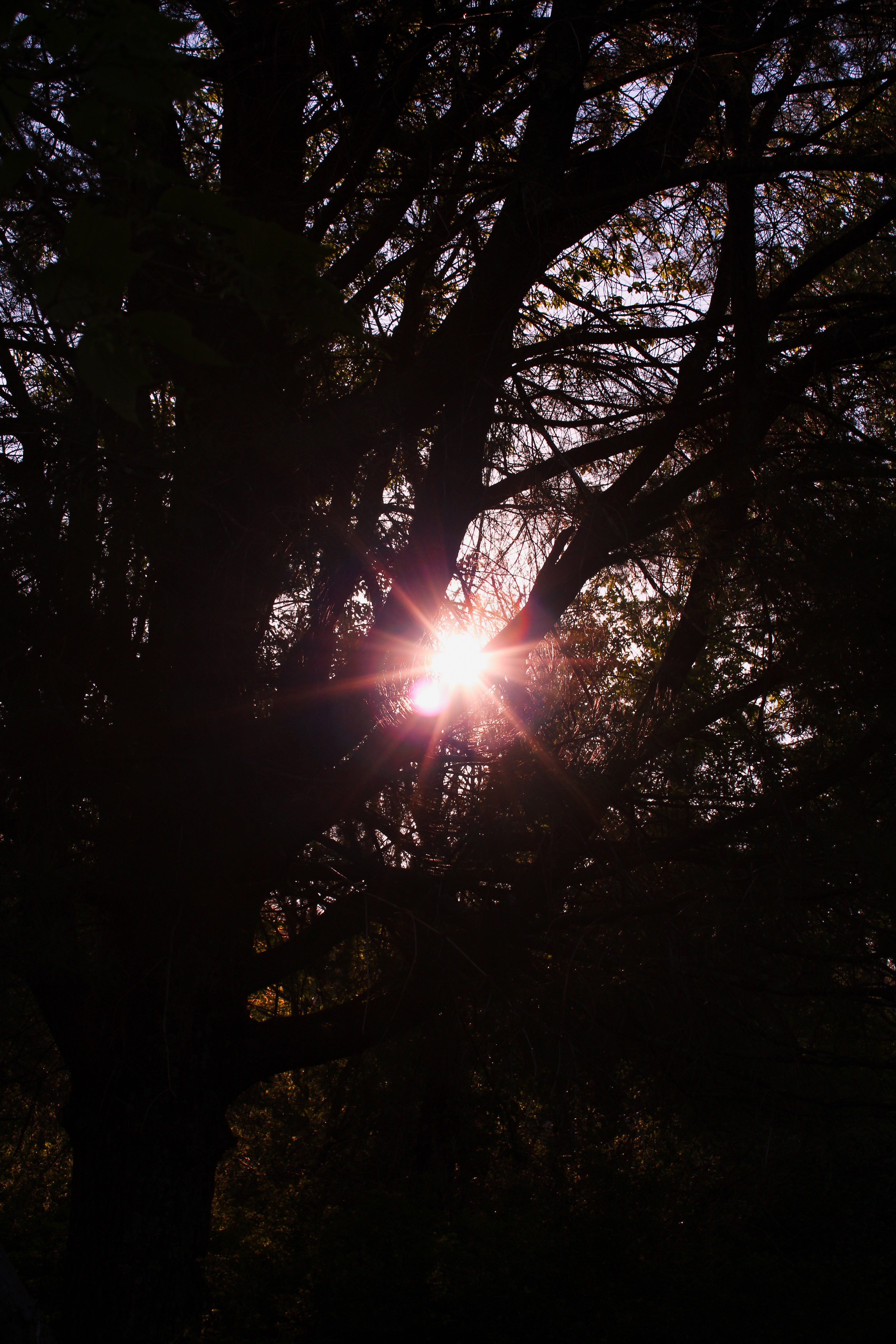
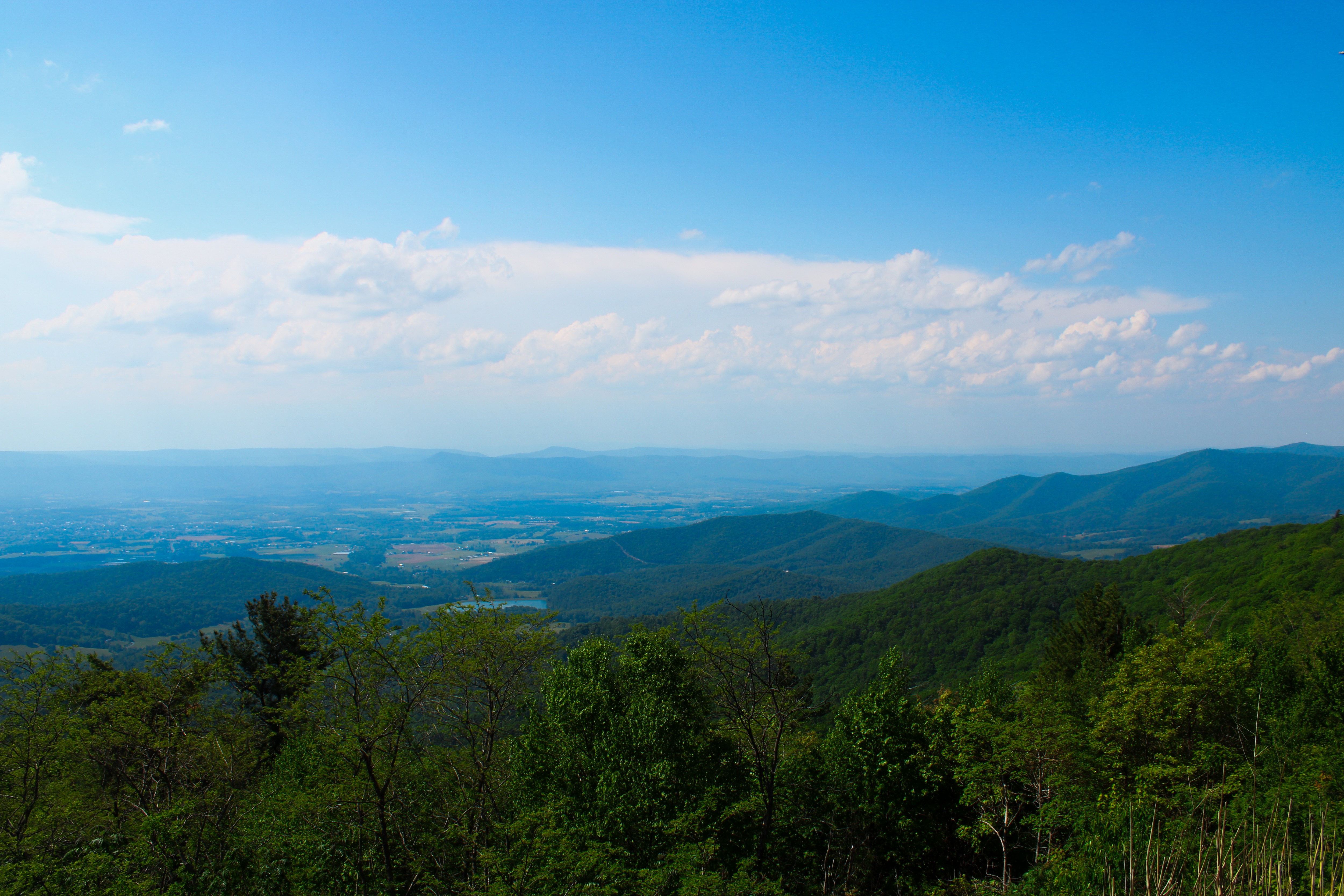
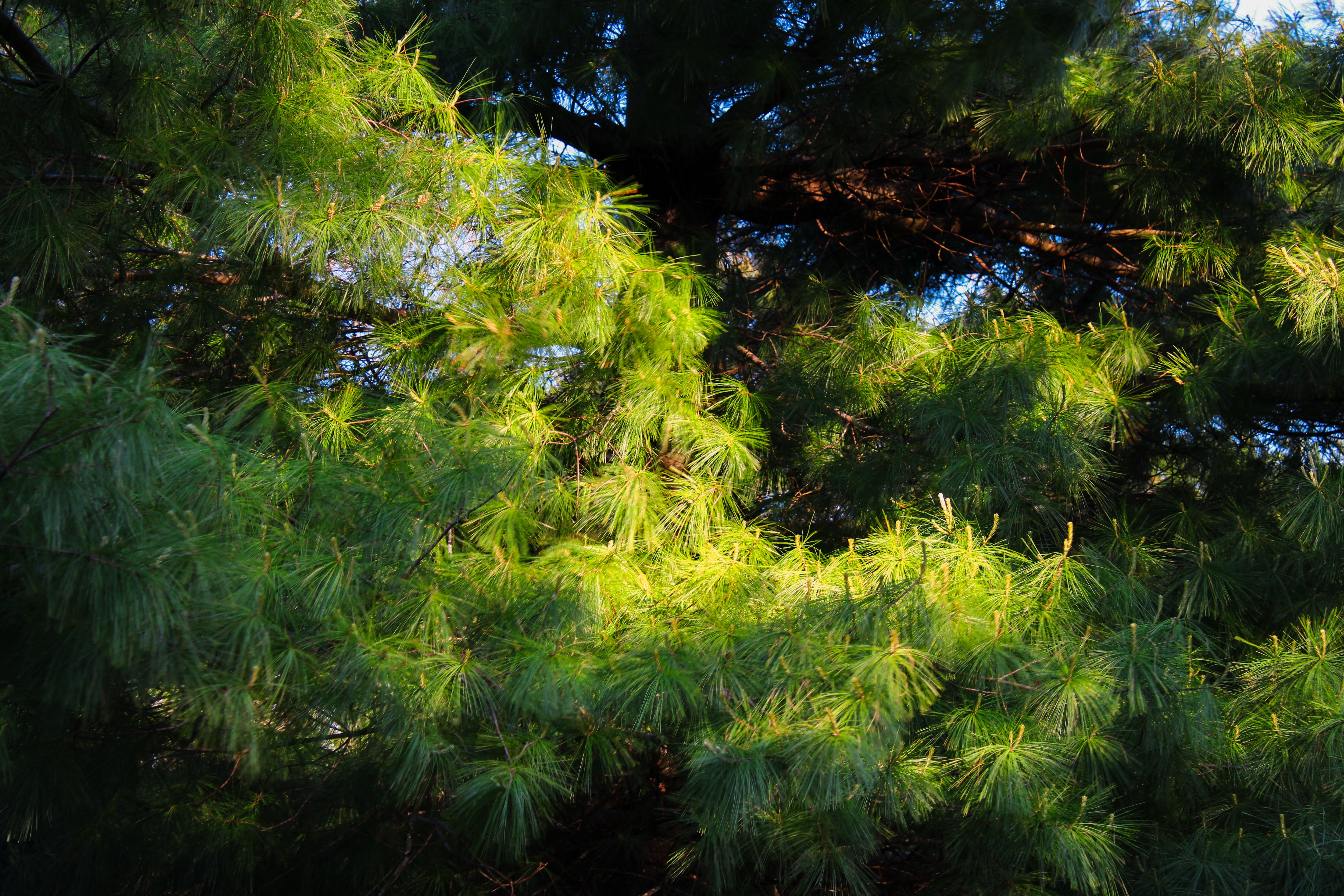
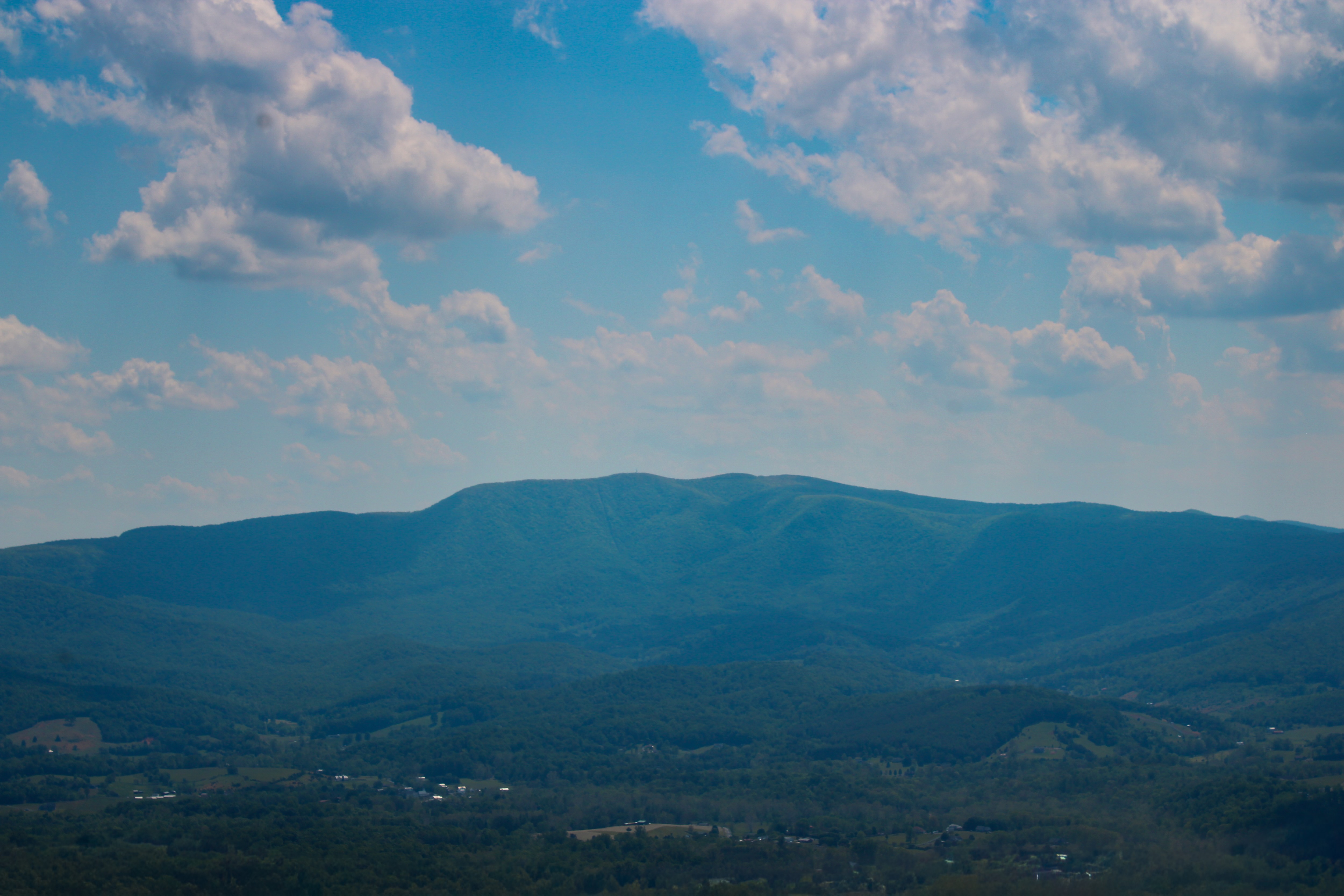
In my photography, I focused on the relationship between sunlight, greenery, and the mountain landscape to highlight the landmarks that define Shenandoah. The bright weather during our visit allowed me to emphasize vibrant natural colors, panoramic mountain views, and the winding character of Skyline Drive. In my editing, I used warm tones to emphasize the feelings of peacefulness and vitality I felt during my visit.
Click on each image to see the full sized version!