Mammoth Cave National Park
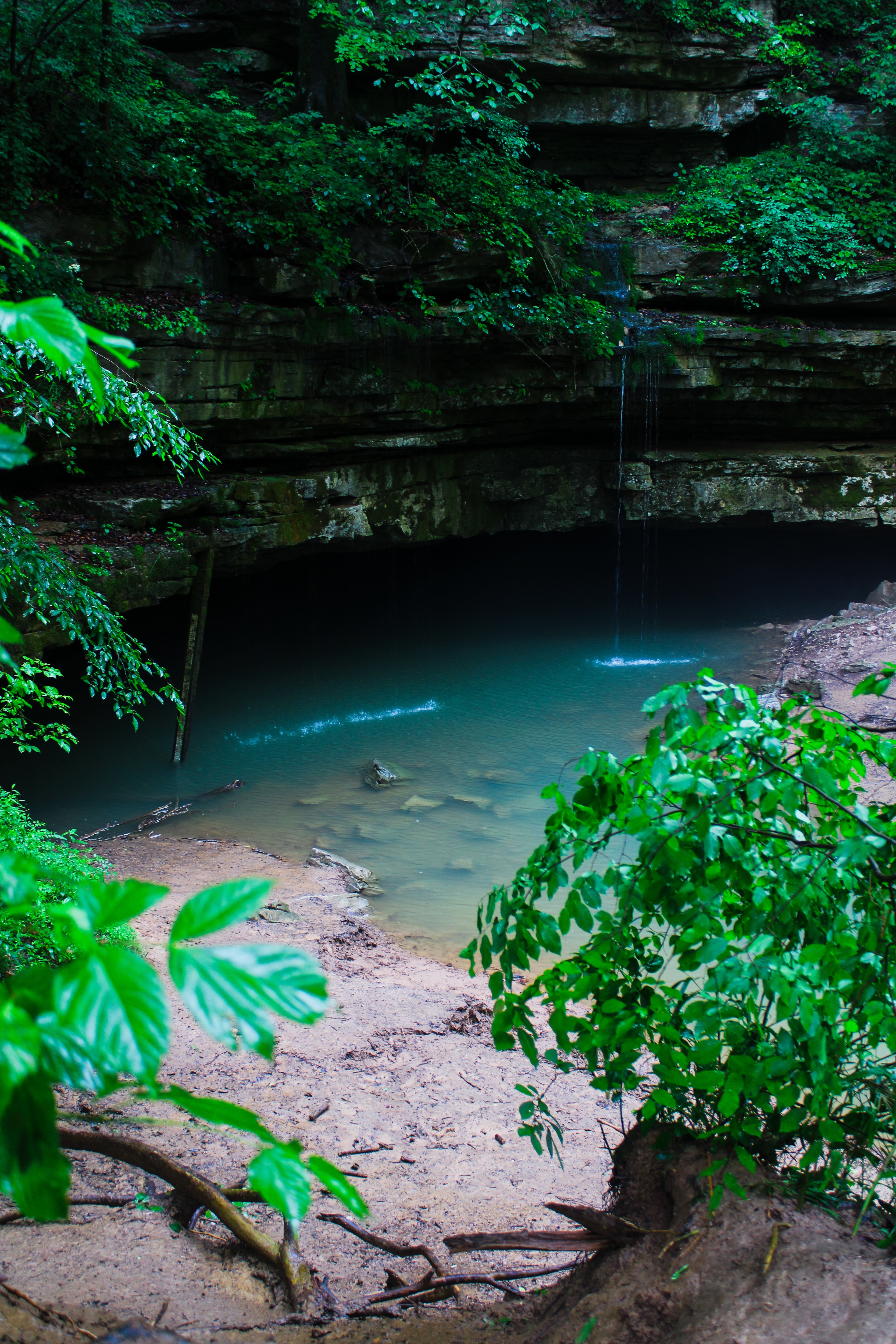
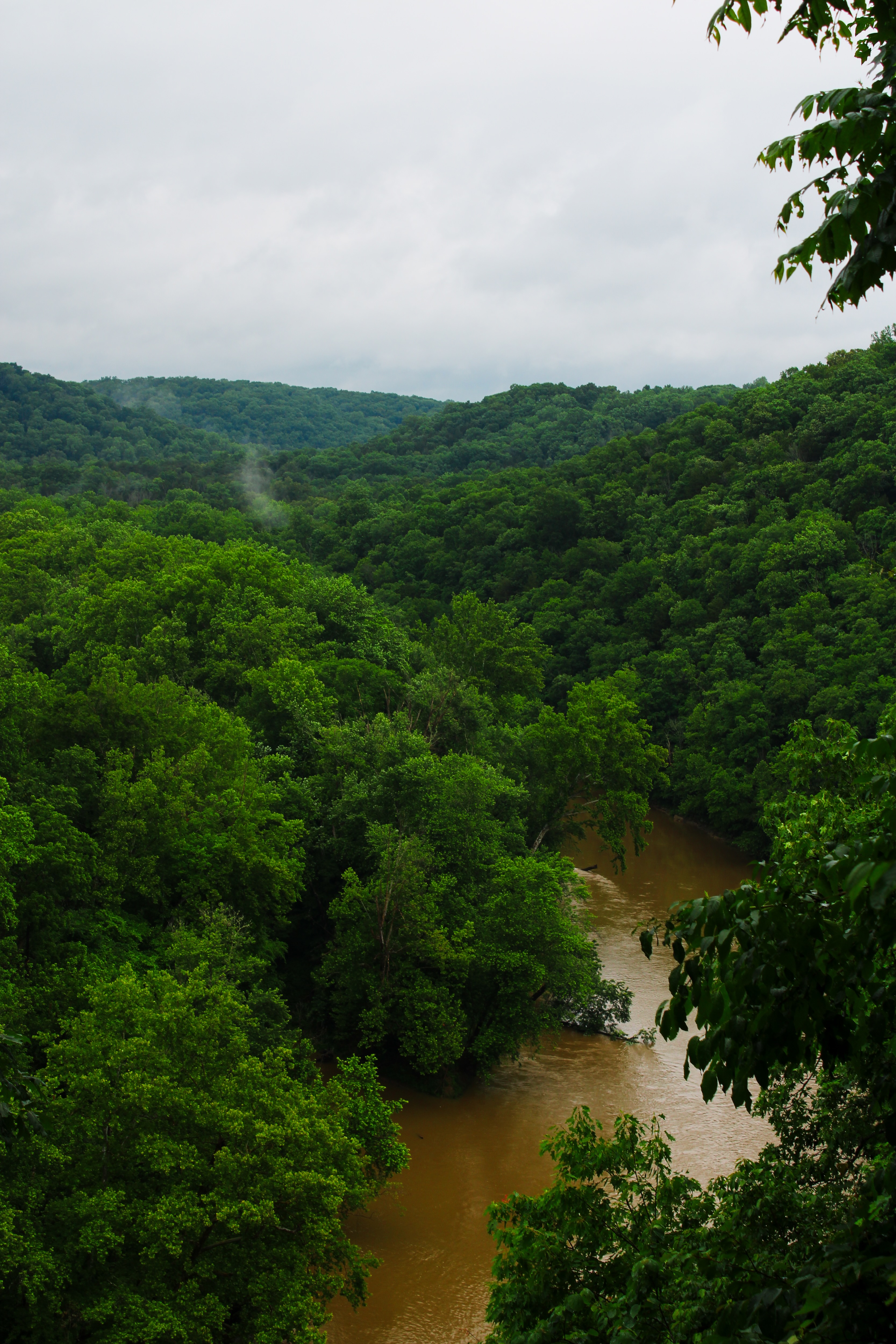
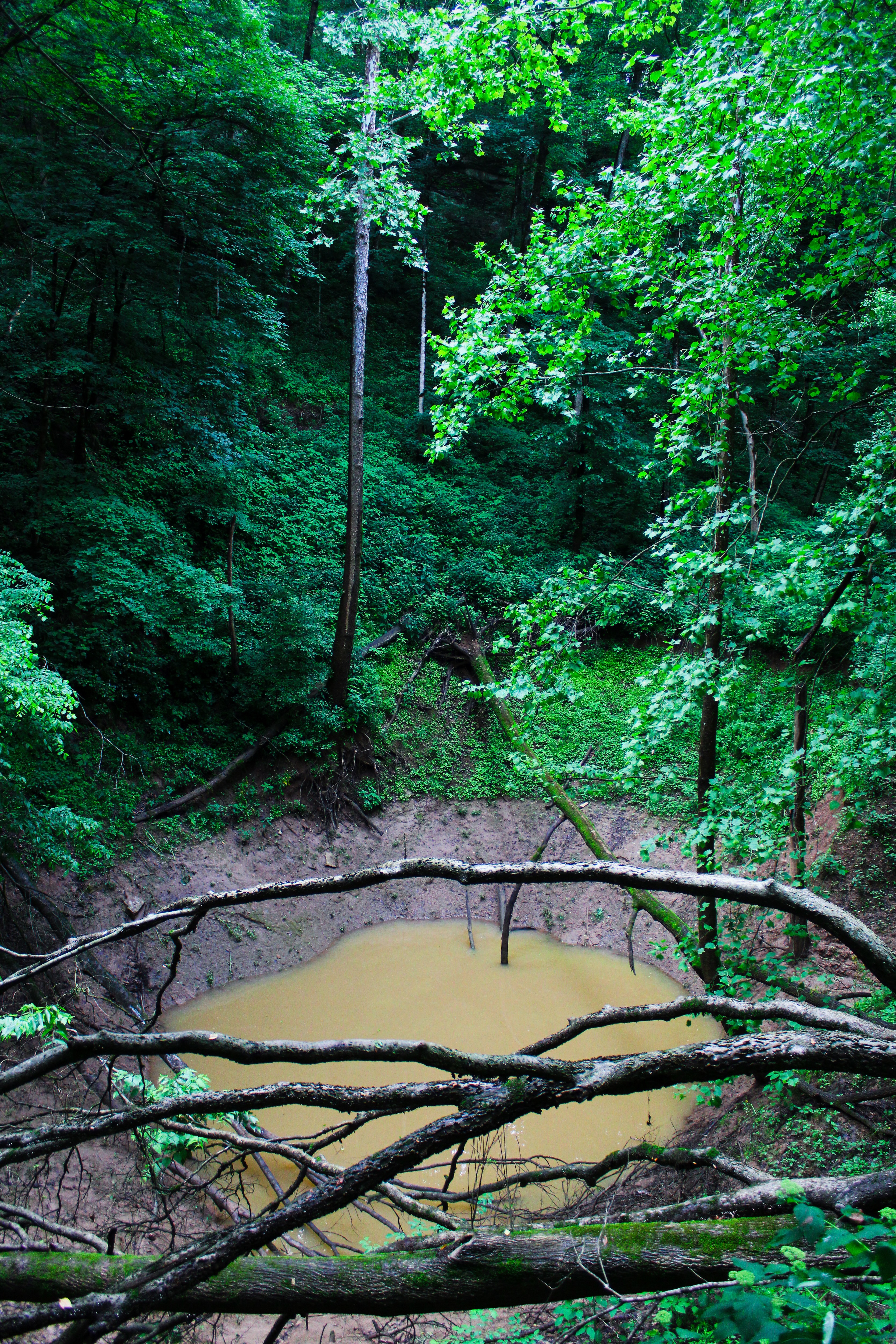
Mammoth Cave National Park preserves the longest known cave system in the world, with more than 426 miles of mapped passageways and more left undiscovered. The cave system formed over millions of years as slightly acidic rainwater dissolved layers of limestone that were deposited roughly 330 million years ago. This slow dissolution of rock created vast underground chambers, tunnels, and rivers, while a protective sandstone cap helped preserve many of the passages. Today, the cave system includes underground rivers, large chambers, gypsum formations, and rare ecosystems, while the surface above contains forests, rivers, and classic karst landscapes with sinkholes and underground drainage.
Long before European settlement, Indigenous peoples explored Mammoth Cave as early as 4,000 to 5,000 years ago. Archaeological discoveries inside the cave, including woven sandals, torch remnants, tools, and human remains, show that early visitors moved deep into the system using red torchlight. These groups also mined minerals such as gypsum and epsomite, likely for medicinal or practical use. The cave’s stable environment has preserved some of the best prehistoric artifacts found in North America.
European awareness of the cave began in the late 1700s, with early stories often crediting a hunter named John Houchin with its discovery around 1797. By the early 1800s, the surrounding region was part of Kentucky’s expanding frontier, with small farming communities developing nearby. The cave quickly became valuable not just as a natural curiosity, but as a resource.
During the War of 1812, Mammoth Cave became a major site for saltpeter mining. Potassium nitrate extracted from cave sediments was essential for gunpowder production, especially while British blockades limited imports. Enslaved laborers performed much of the dangerous work underground, building the infrastructure needed to process the material. After the war ended and demand declined, the cave shifted away from industry and eventually transformed into a tourist destination.

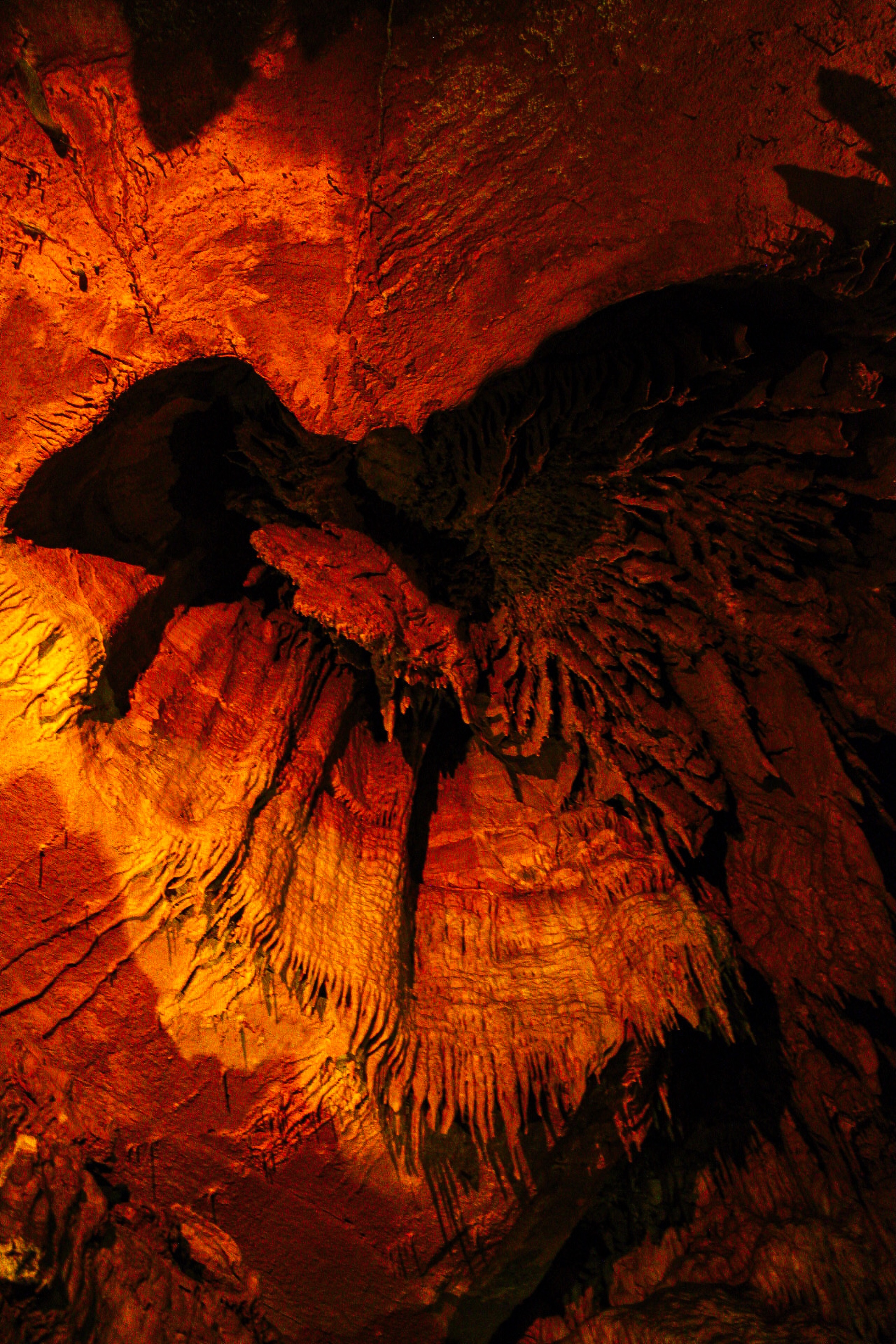
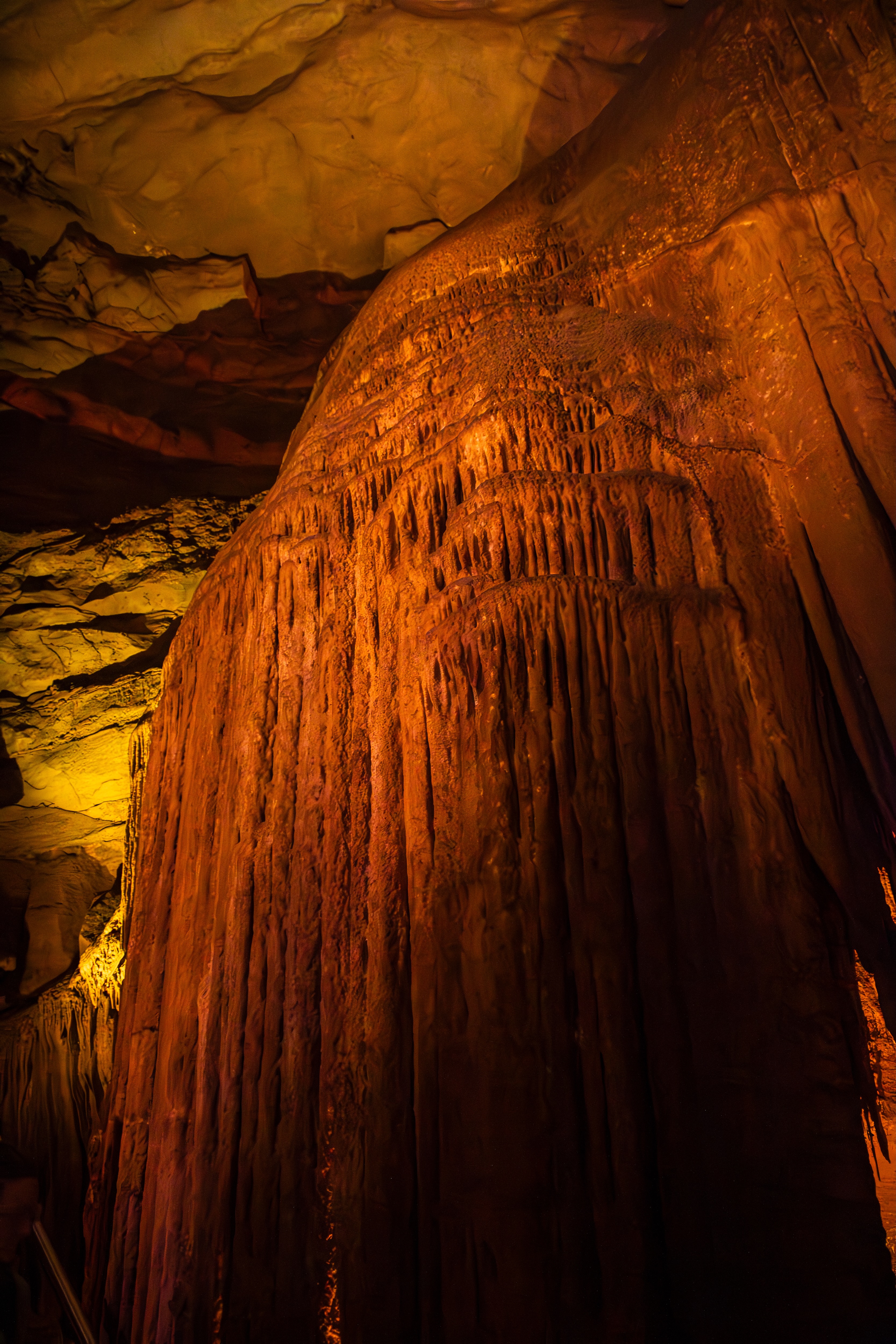
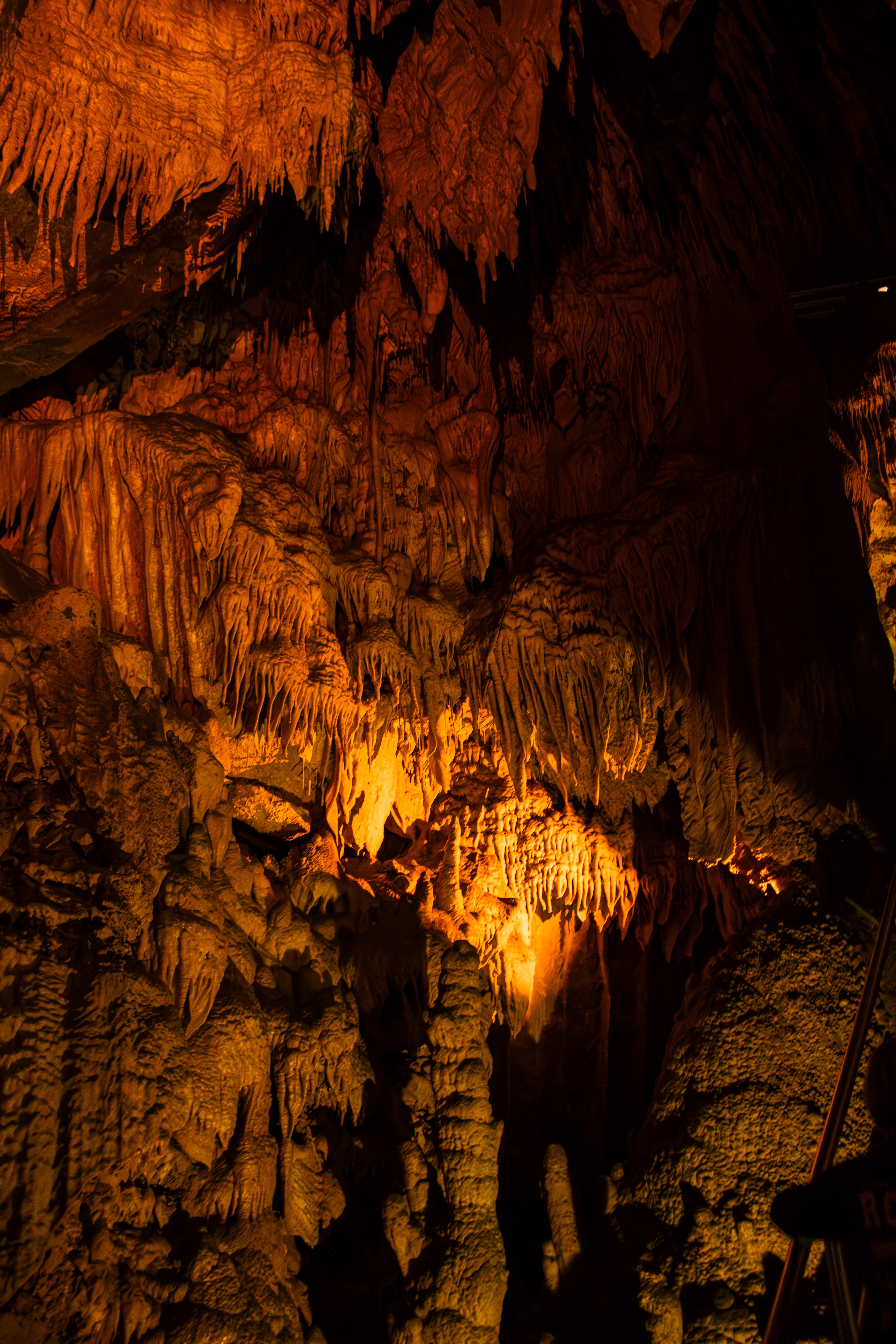
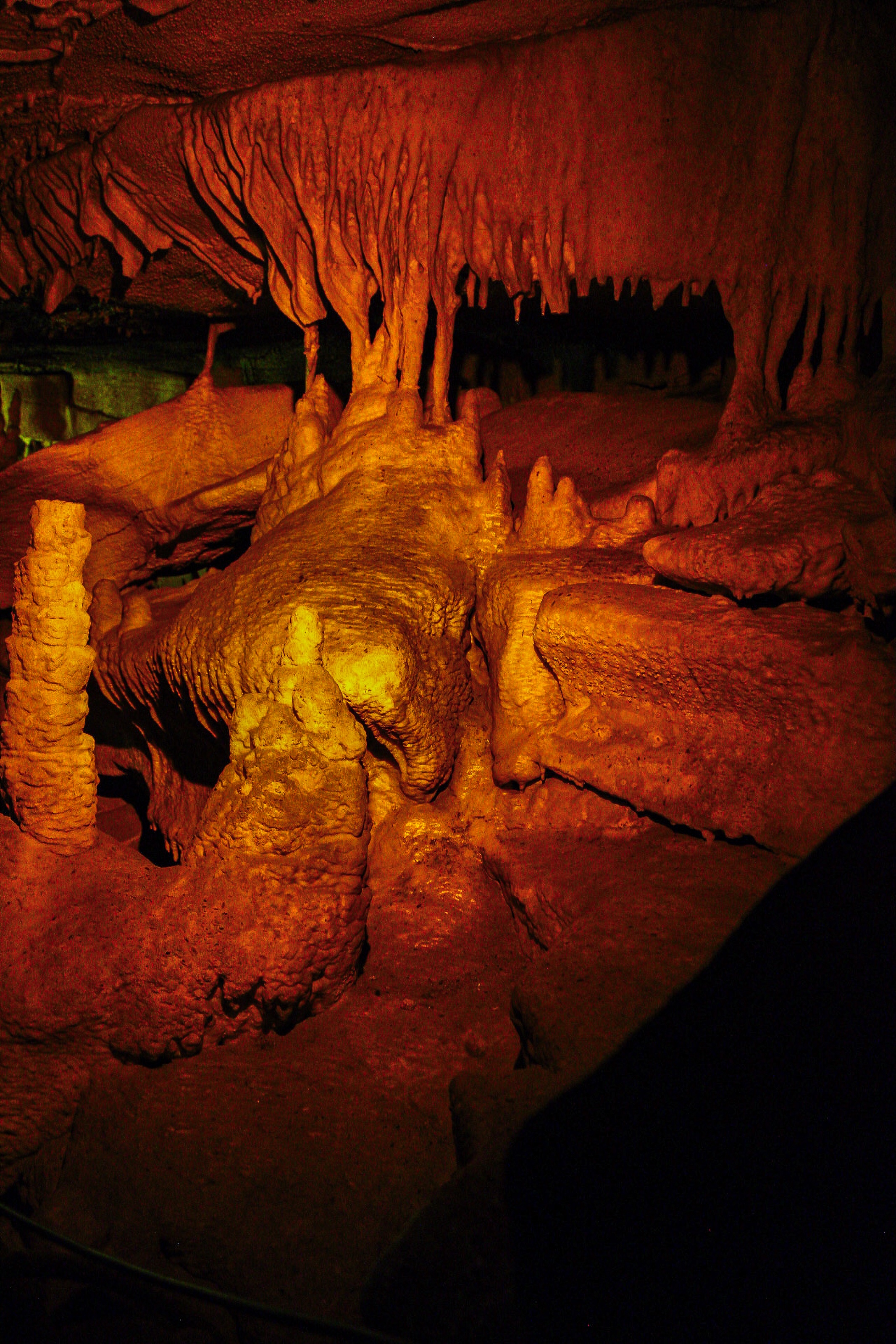
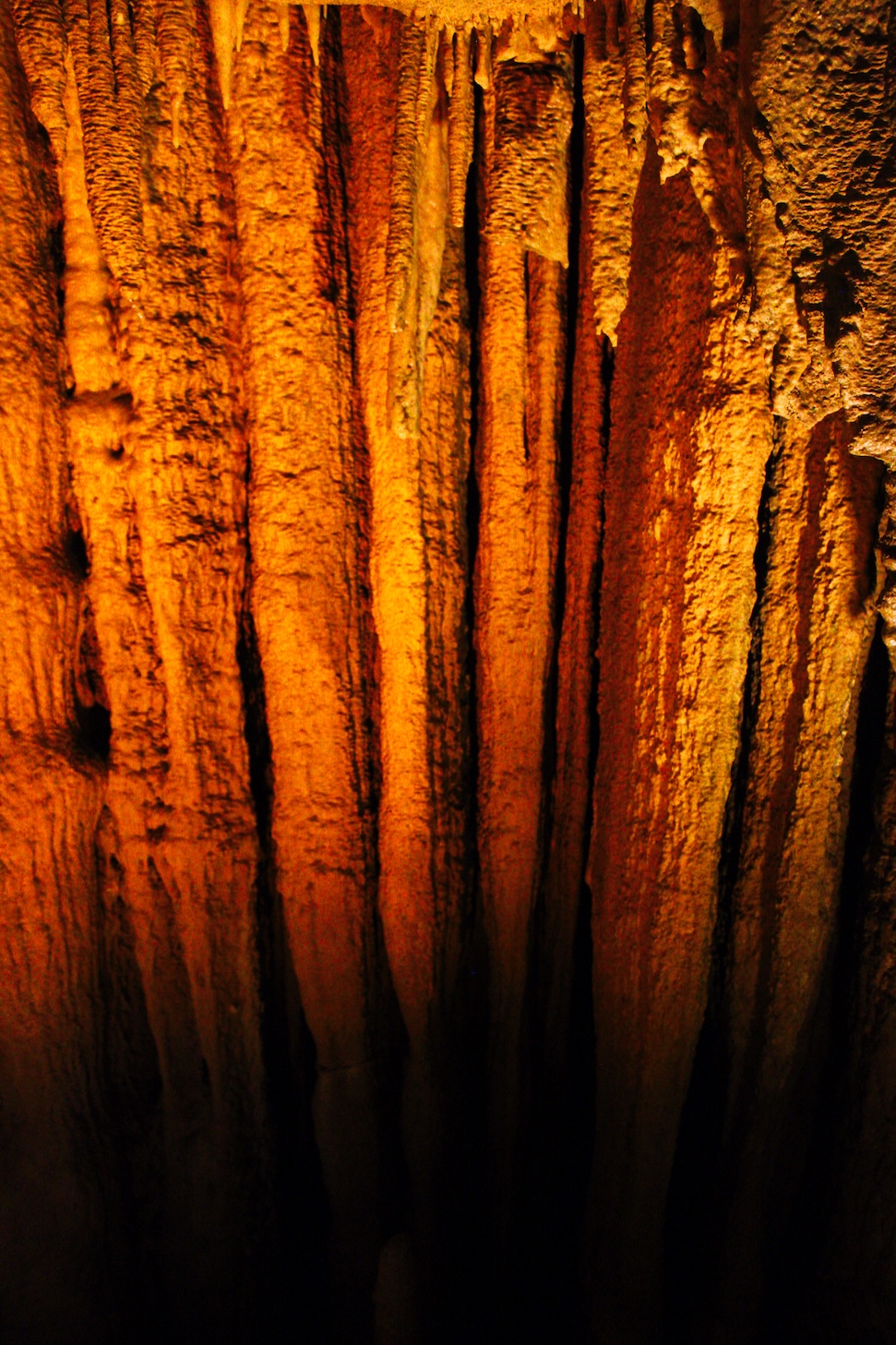
Dripstone Features in Mammoth Cave
By the 1820s and 1830s, Mammoth Cave had become one of America’s earliest and most famous tourist attractions. Visitors traveled long distances by stagecoach and riverboat to see its enormous chambers and underground rivers. Early tourism also created a need for skilled guides, most notably Stephen Bishop, who became one of the most significant figures in cave exploration. As an enslaved African American, Bishop mapped extensive portions of the cave, discovered major passages, guided visitors, and named many features still used today. His descriptions of the cave as a “grand, gloomy, and peculiar place” remain widely remembered, and his work laid the foundation for modern understanding of the cave.
Mammoth Cave was also used for more peculiar purposes, including the tuberculosis hospital experiment in the 1840s. Physician John Croghan believed the cave’s air could cure tuberculosis and constructed an underground hospital to test the idea. Patients were housed in makeshift shelters deep inside the cave, but the experiment ultimately failed, and many of those treated did not survive. Remnants of this hospital can still be found within parts of the cave system today.
Other important figures helped shape Mammoth Cave's story. George Morrison, a former enslaved man who later became a guide and manager, discovered exploration routes and helped develop early tourism. In 1925, cave explorer Floyd Collins became nationally famous after becoming trapped in nearby Sand Cave, drawing widespread attention to cave exploration in Kentucky and helping rally support for conserving the system.
By the late nineteenth and early twentieth centuries, competition between cave owners in the region became so intense that it was known as the “Kentucky Cave Wars.” Rival operators often used aggressive tactics to attract tourists. Ironically, this chaotic competition helped push support for federal preservation of Mammoth Cave.
In 1926, Congress authorized Mammoth Cave National Park, although land acquisition took many years, with families and communities gradually relocated as the park was built. The park was officially established in 1941 and later designated a UNESCO World Heritage Site. Unlike many parks, Mammoth Cave protects both a vast underground system and the surrounding Green River Valley.
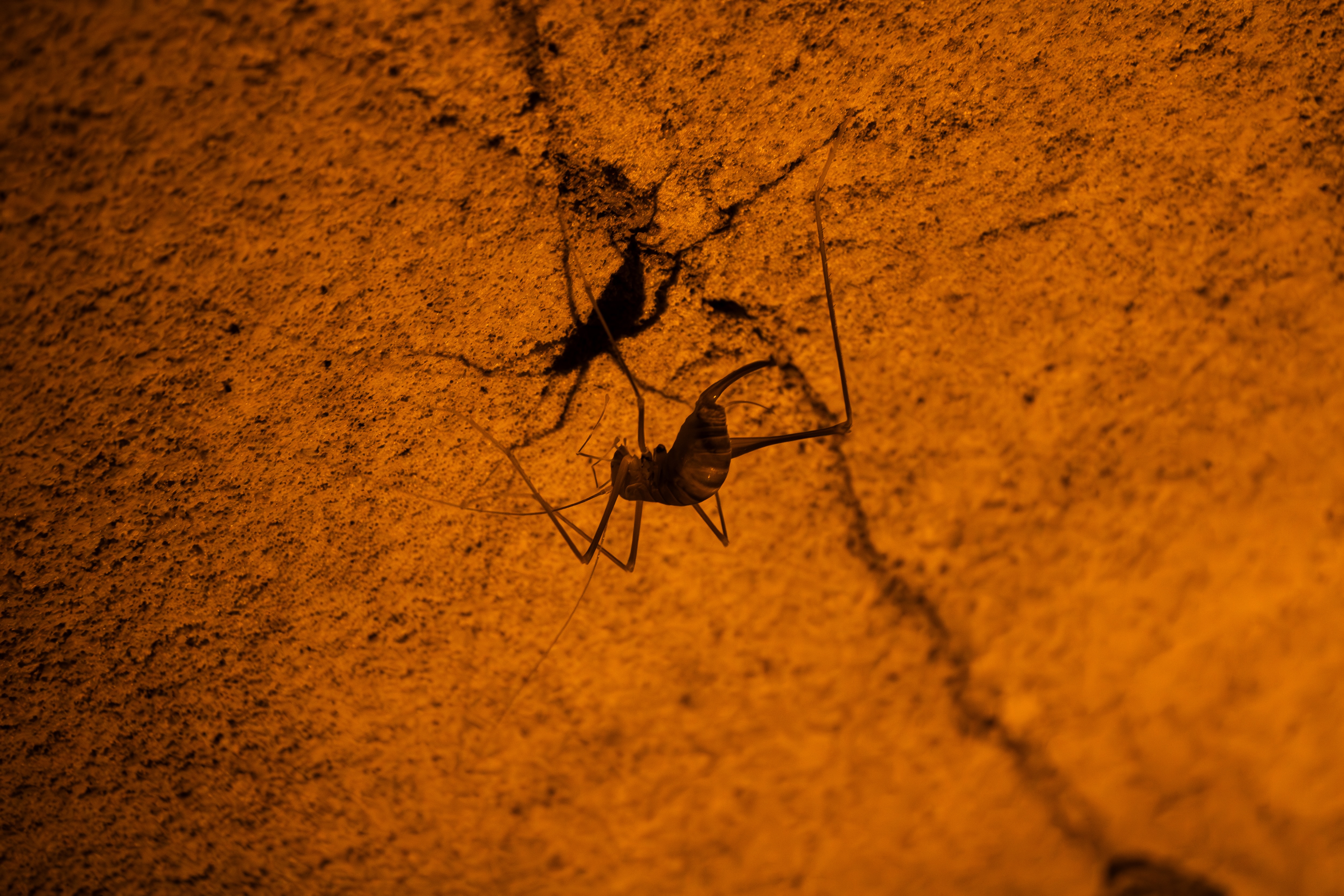
Today, Mammoth Cave remains an important site for scientific discovery. Researchers study its geology, hydrology, ecosystems, and unique cave-adapted species. In 1972, the connection between Mammoth Cave and the Flint Ridge Cave system confirmed it as the longest known cave network in the world.
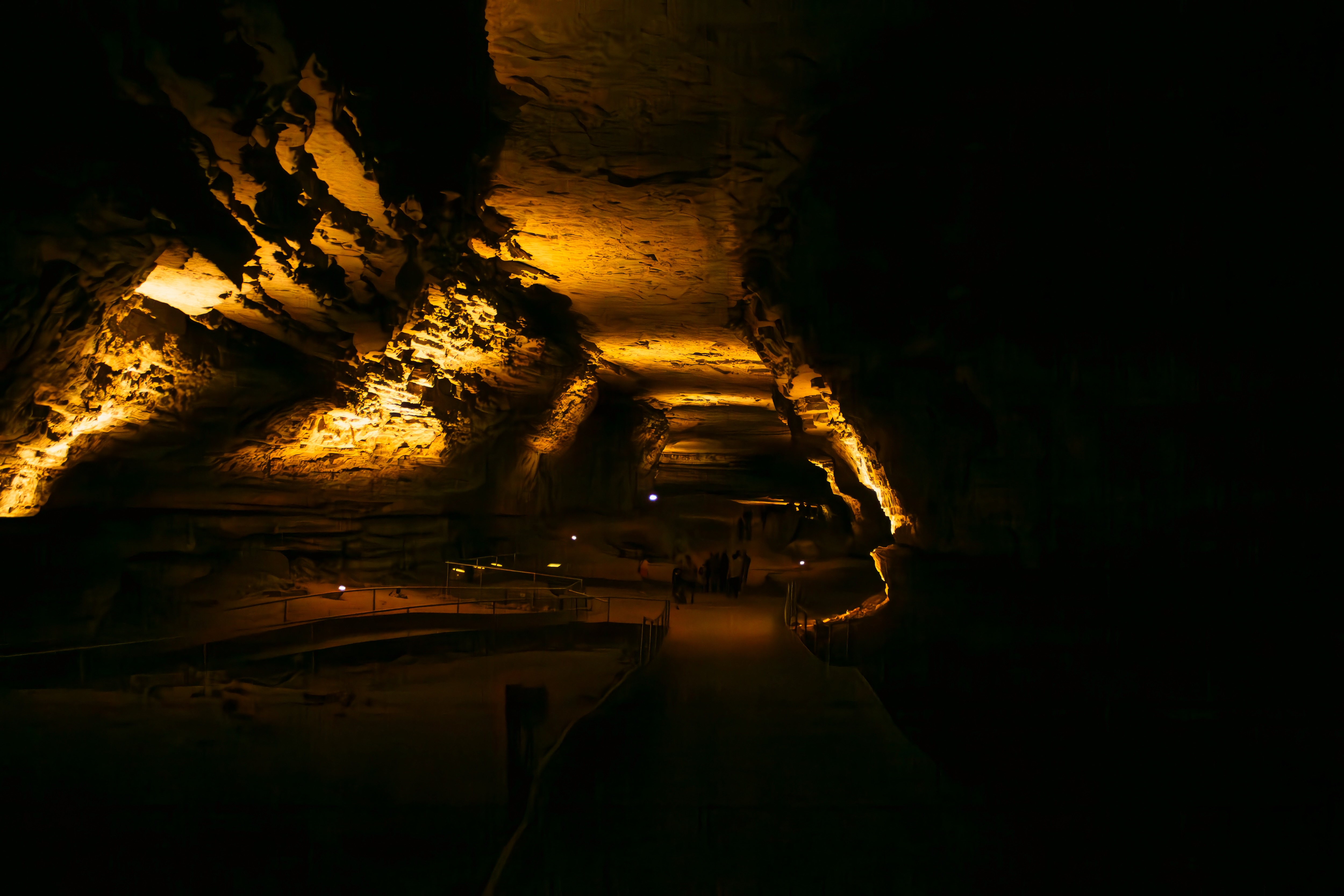
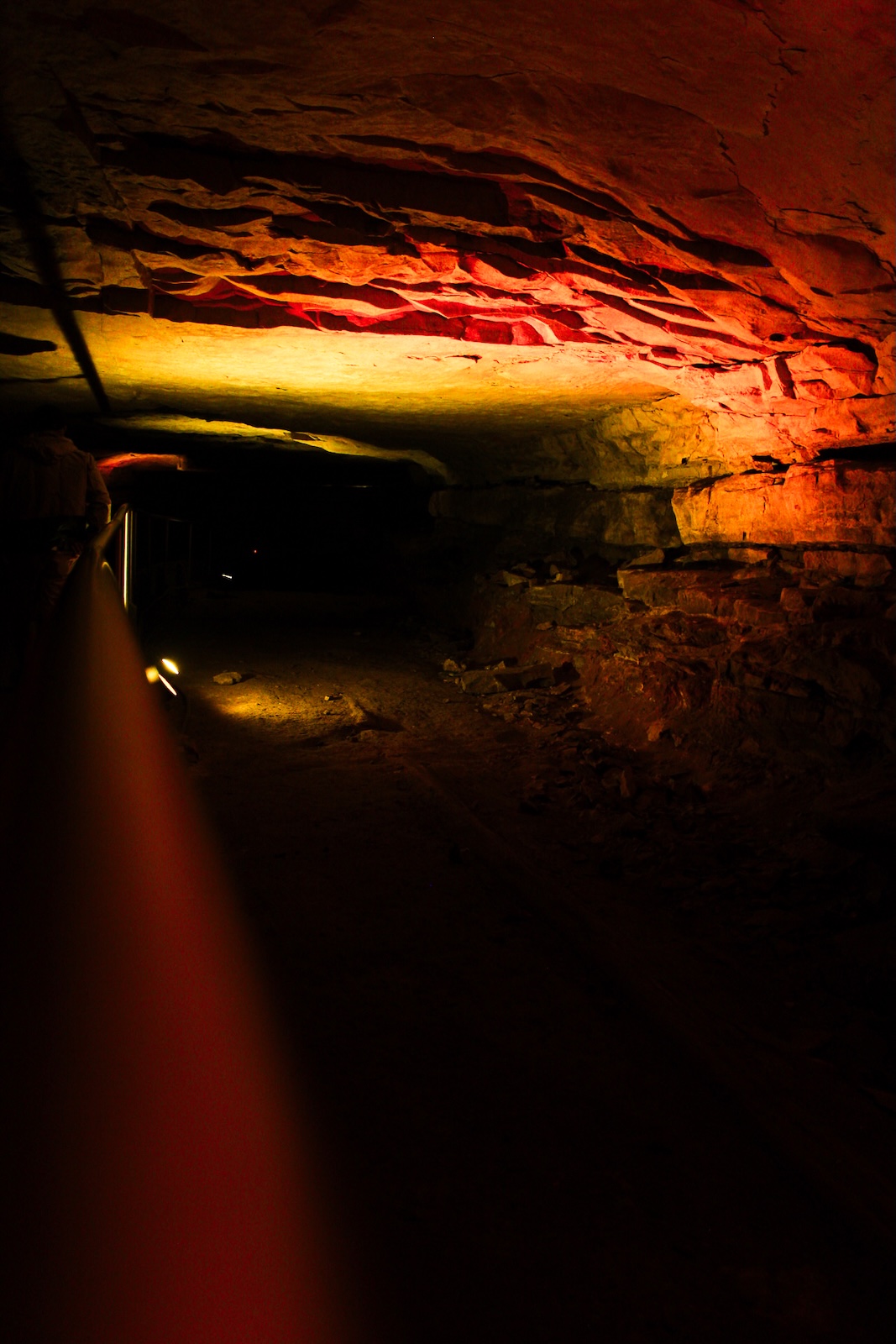
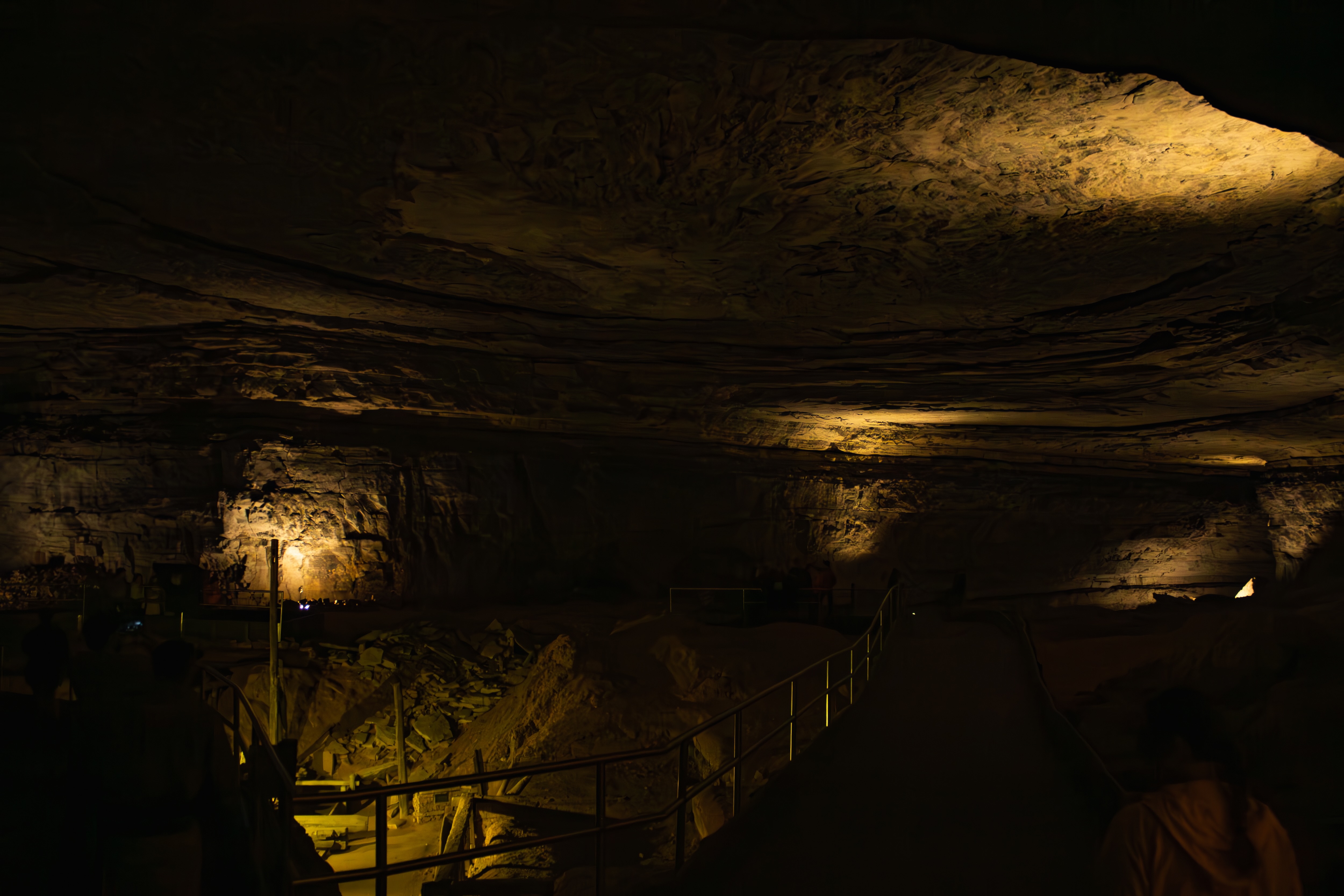
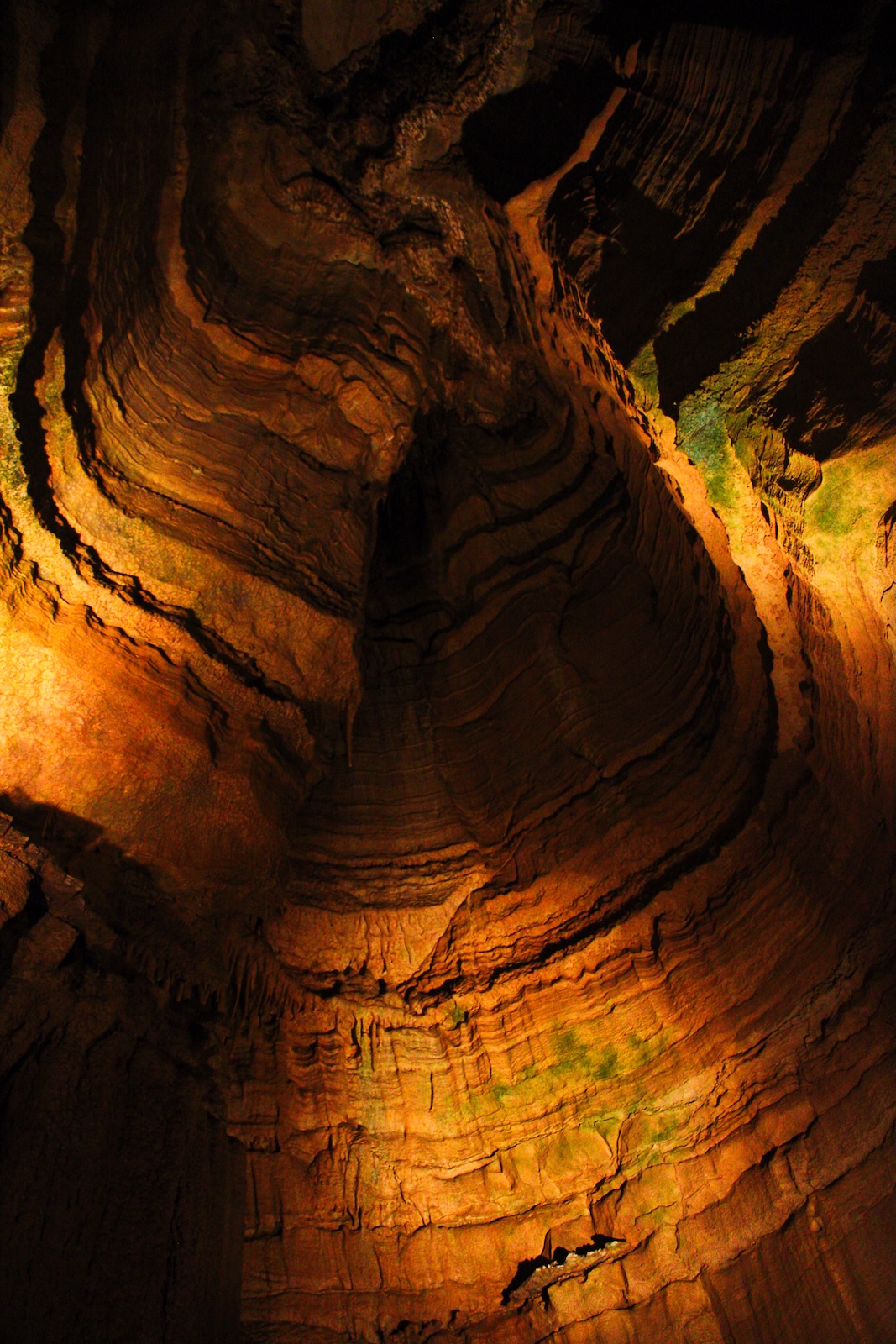
Many of the park’s most famous features are shaped by the contrast between dry and wet cave environments. Dry passages are protected by layers of sandstone and shale that prevent water from seeping through the limestone, leaving behind vast open chambers and towering domes. In wetter sections, mineral-rich water slowly drips through the rock, creating stalactites, stalagmites, and flowstone formations such as the famous Frozen Niagara.
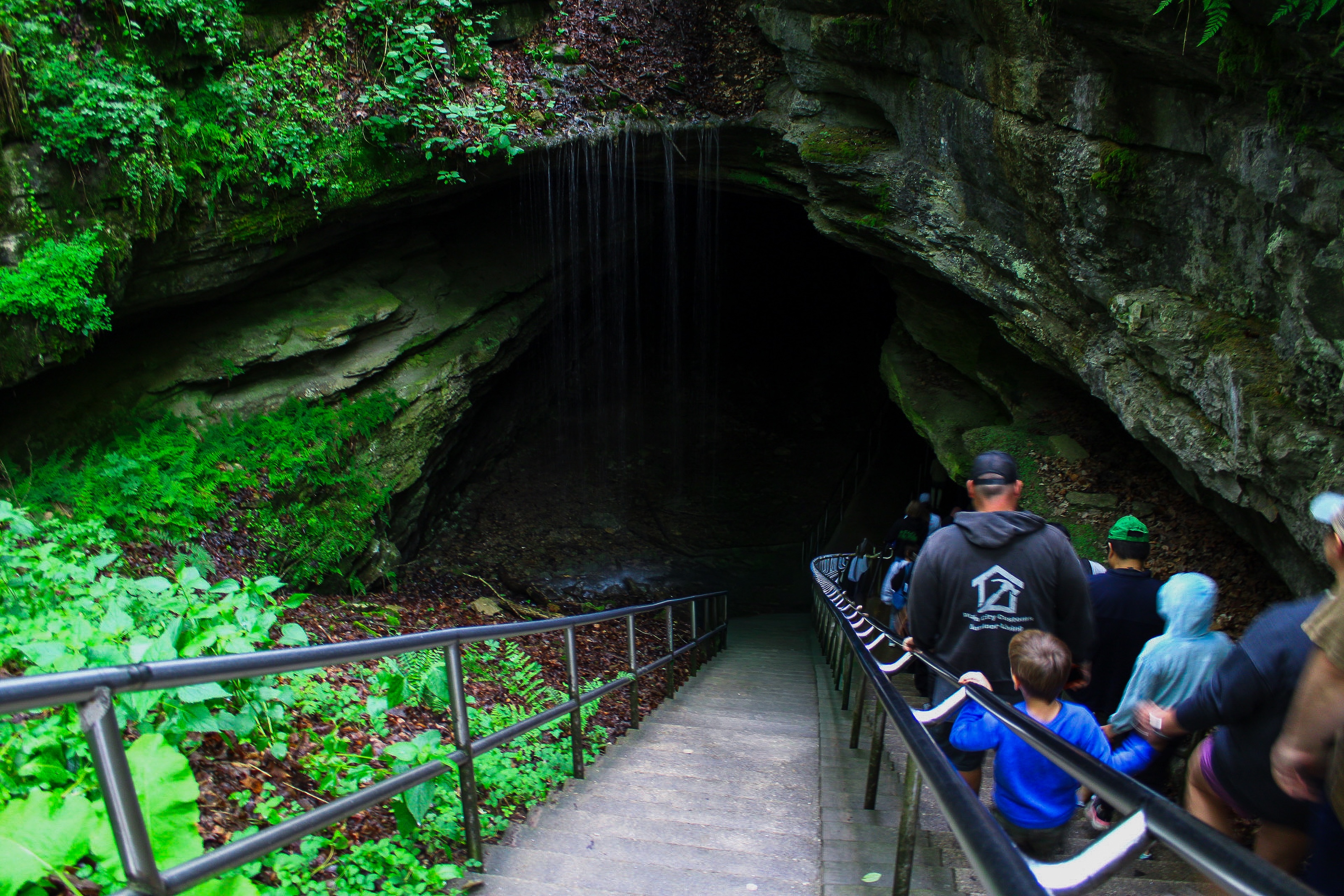
Places like the Historic Entrance, Frozen Niagara, and Stephen Bishop’s early exploration routes remain central to understanding Mammoth Cave today. Together, they reflect a landscape shaped by deep geological time, human exploration, industrial use, and ongoing scientific research.
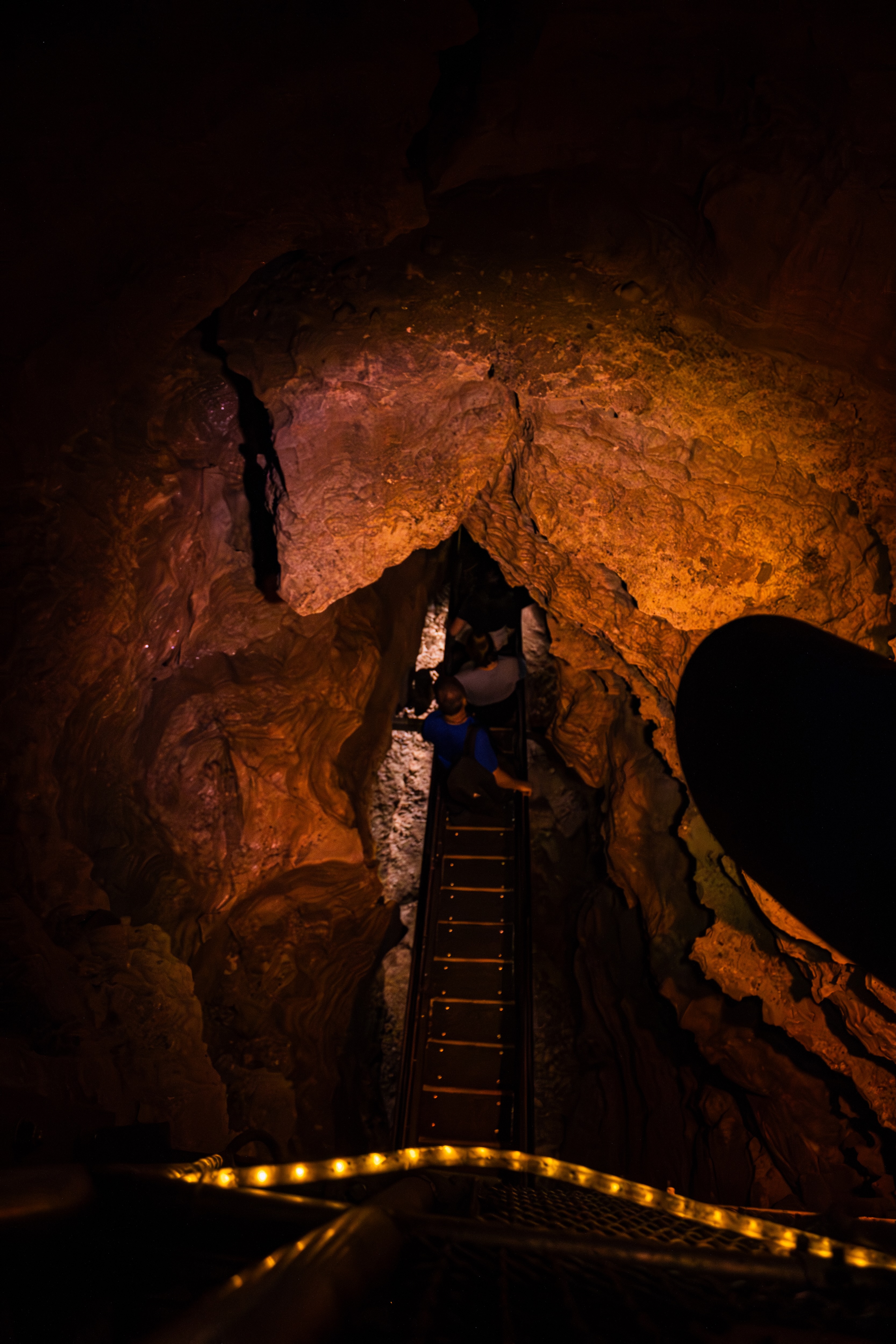
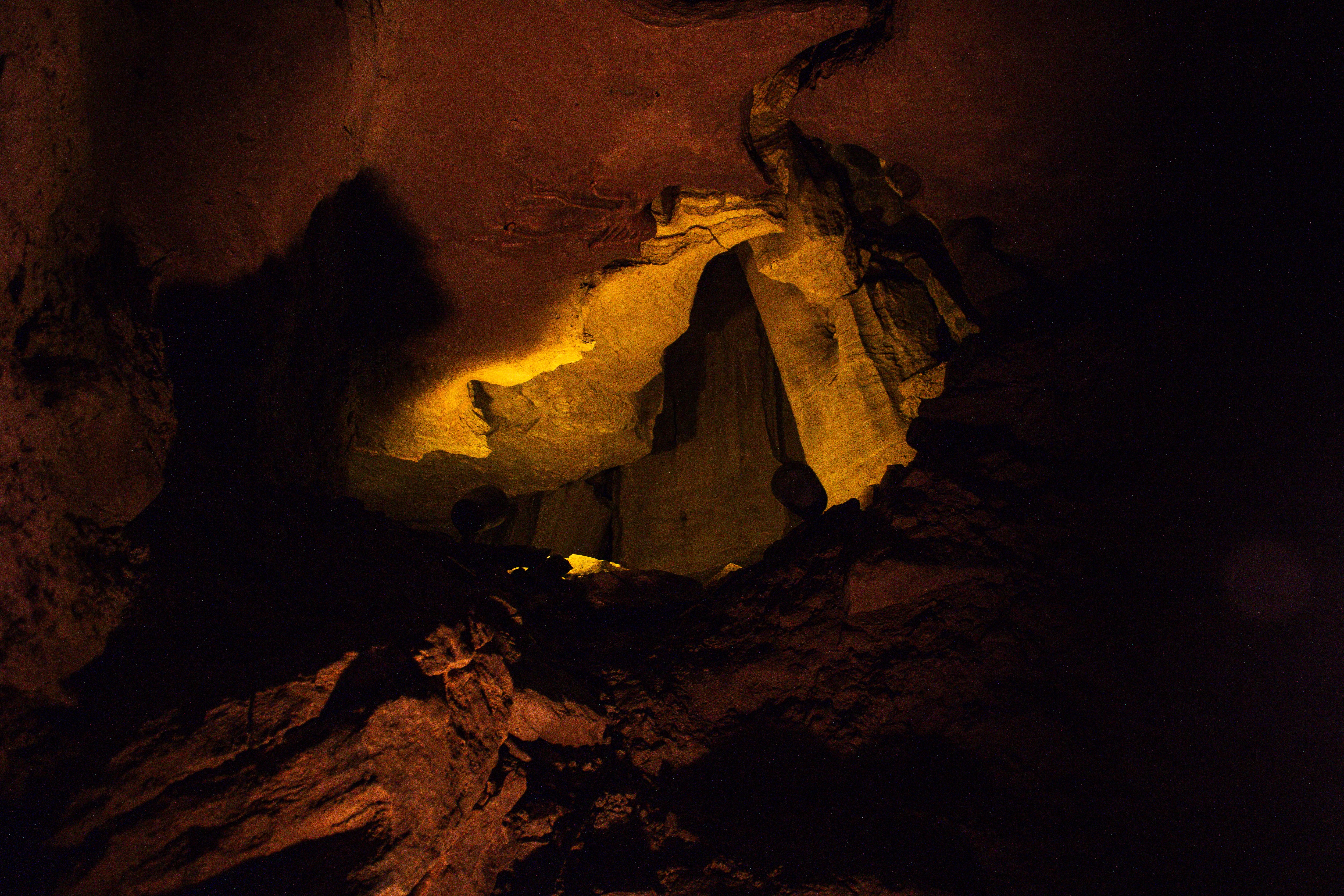
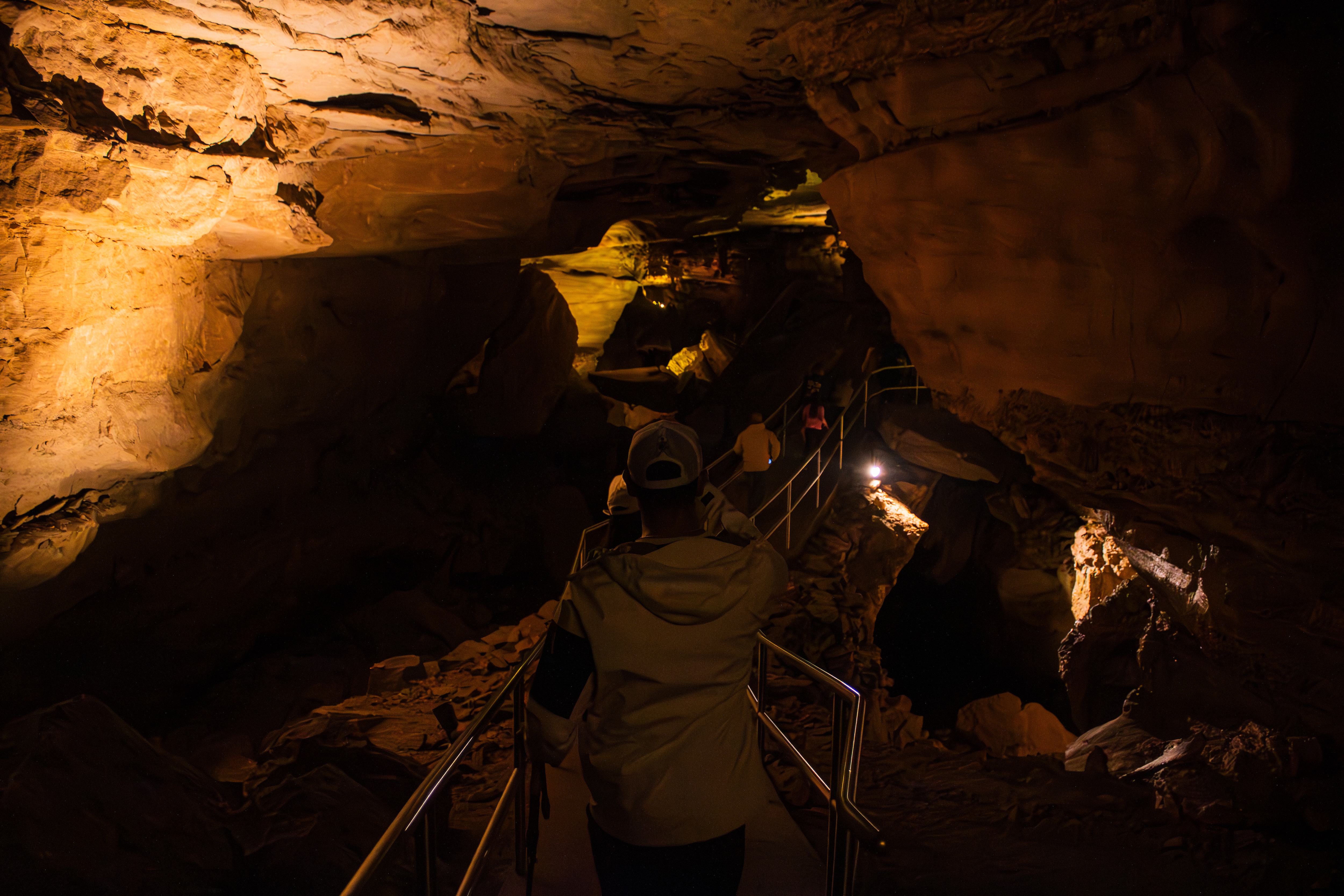
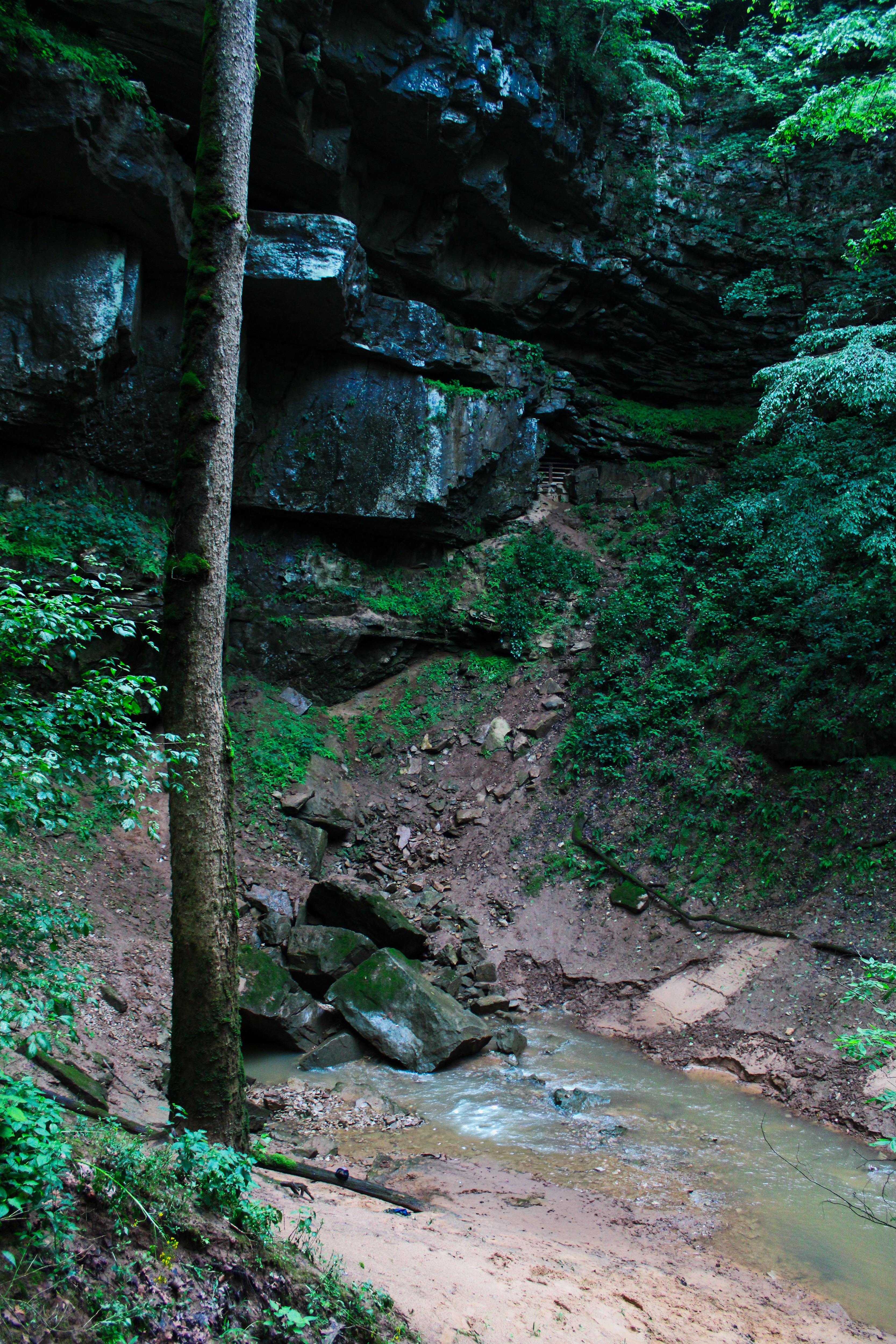
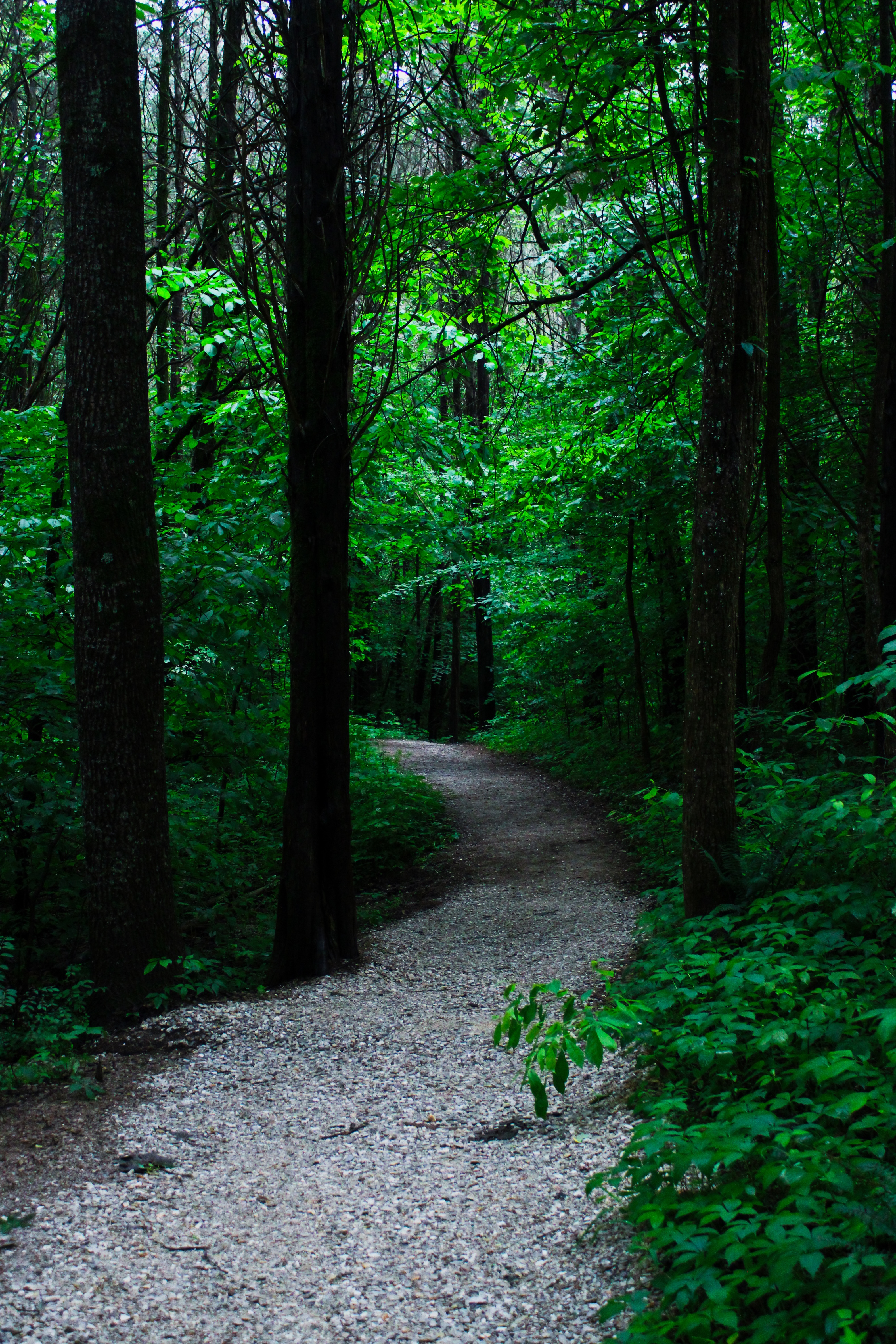
In my photography, I focused on a sense of mystery and history that defines Mammoth Cave. From various cave entrances and mining artifacts to underground rivers, sinkholes, and giant cave formations, I sought to capture both the park’s human history and unique geology. Through darker compositions contrasted with warm lighting, I emphasized the feeling of early exploration into a landscape that remains largely hidden beneath the surface. Outside, bright tones and wide compositions emphasize the scale of natural features throughout the area.
Click on each image to see the full sized version!