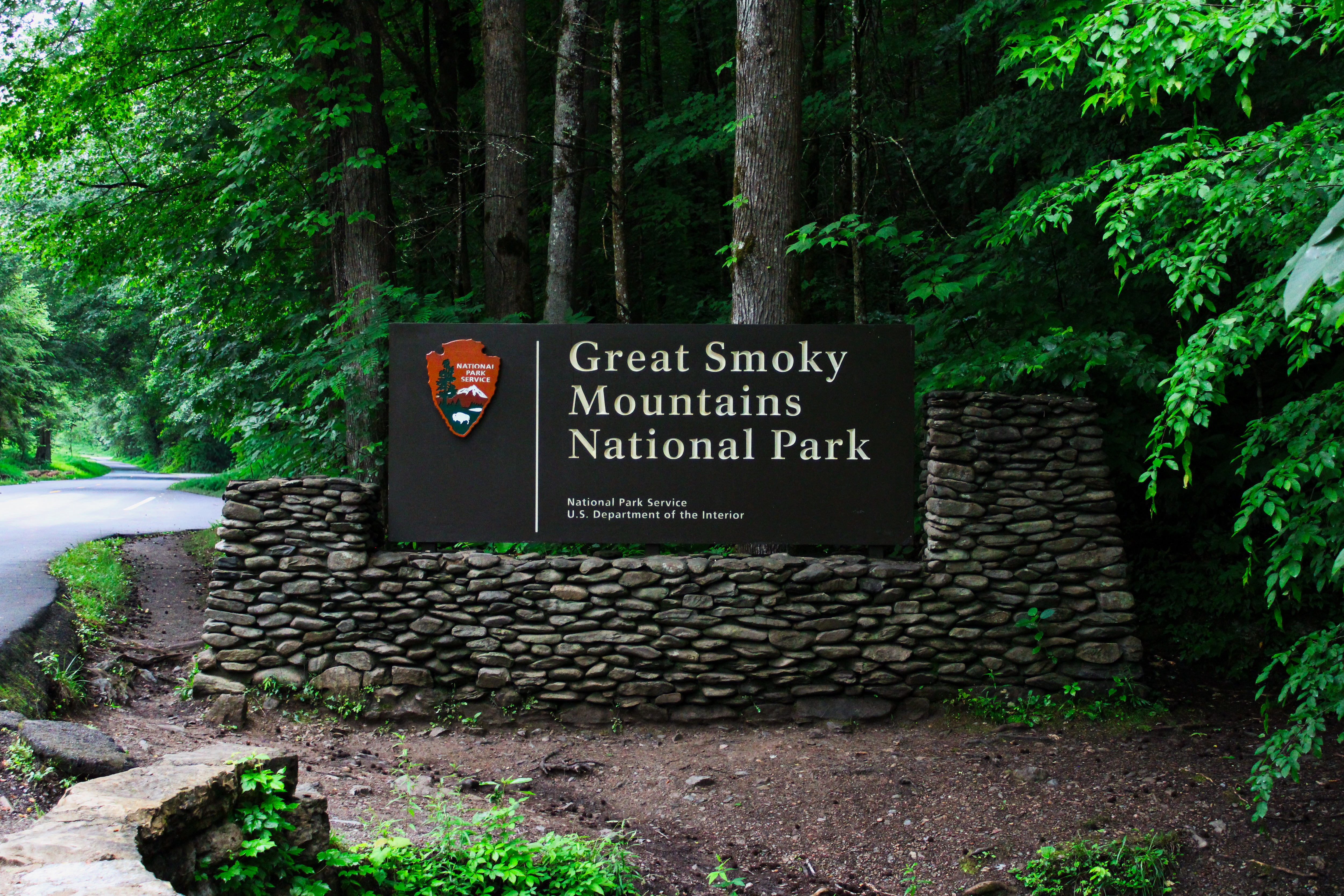
Great Smoky Mountains National Park

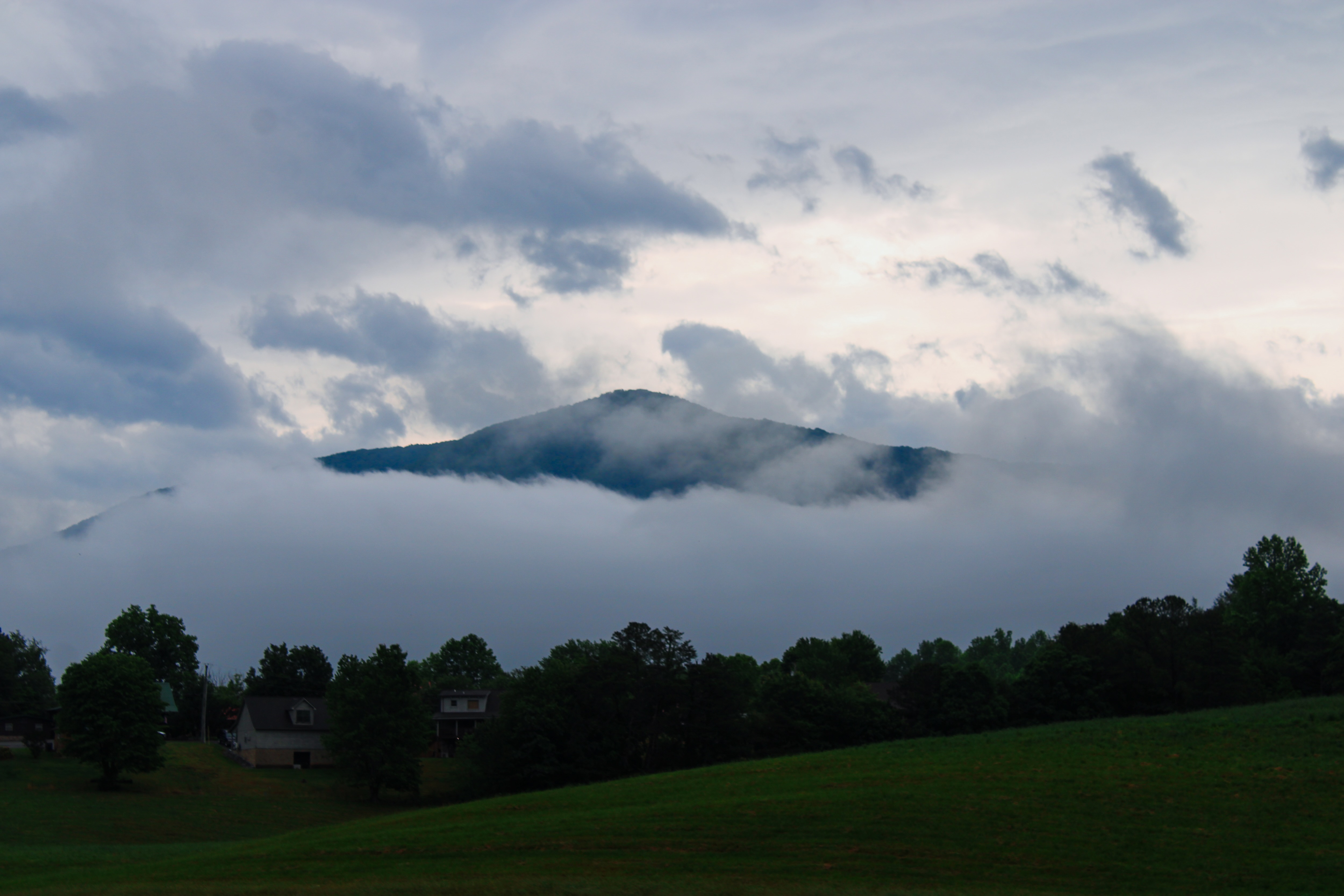
The Great Smoky Mountains are among the oldest in North America, formed roughly 300 to 350 million years ago. Over time, erosion softened the once towering peaks into the rounded ridges seen today. The “smoky” appearance that gives the range its name comes from natural vegetation releasing volatile organic compounds, particularly terpenes, into the air, creating a constant blue haze that often covers valleys and peaks.
Ecologically, the Smokies are one of the most biodiverse temperate forests on Earth. The park contains over 19,000 documented species, with scientists believing tens of thousands more remain undiscovered. Its forests support black bears, elk, salamanders, and more than 100 tree species, creating an environment that changes dramatically with elevation and season. This combination of biodiversity and ancient mountains makes the park both scientifically important and visually unique.
Long before the establishment of the national park, the region was home to the Cherokee people, who called the mountains “Shaconage,” meaning “place of blue smoke.” By around 1000 AD, the Cherokee were the dominant cultural group in the region, living in permanent towns with structured political systems, agriculture, trade networks, and deep spiritual connections to the land. The mountains were considered sacred and formed an important part of Cherokee cultural identity. This connection was violently disrupted in the 1830s following the Indian Removal Act, which led to the forced relocation of the Cherokee during the Trail of Tears between 1838 and 1839. More than 4,000 Cherokee died during the journey, though a small group remained in the region and their descendants are still present in western North Carolina today.
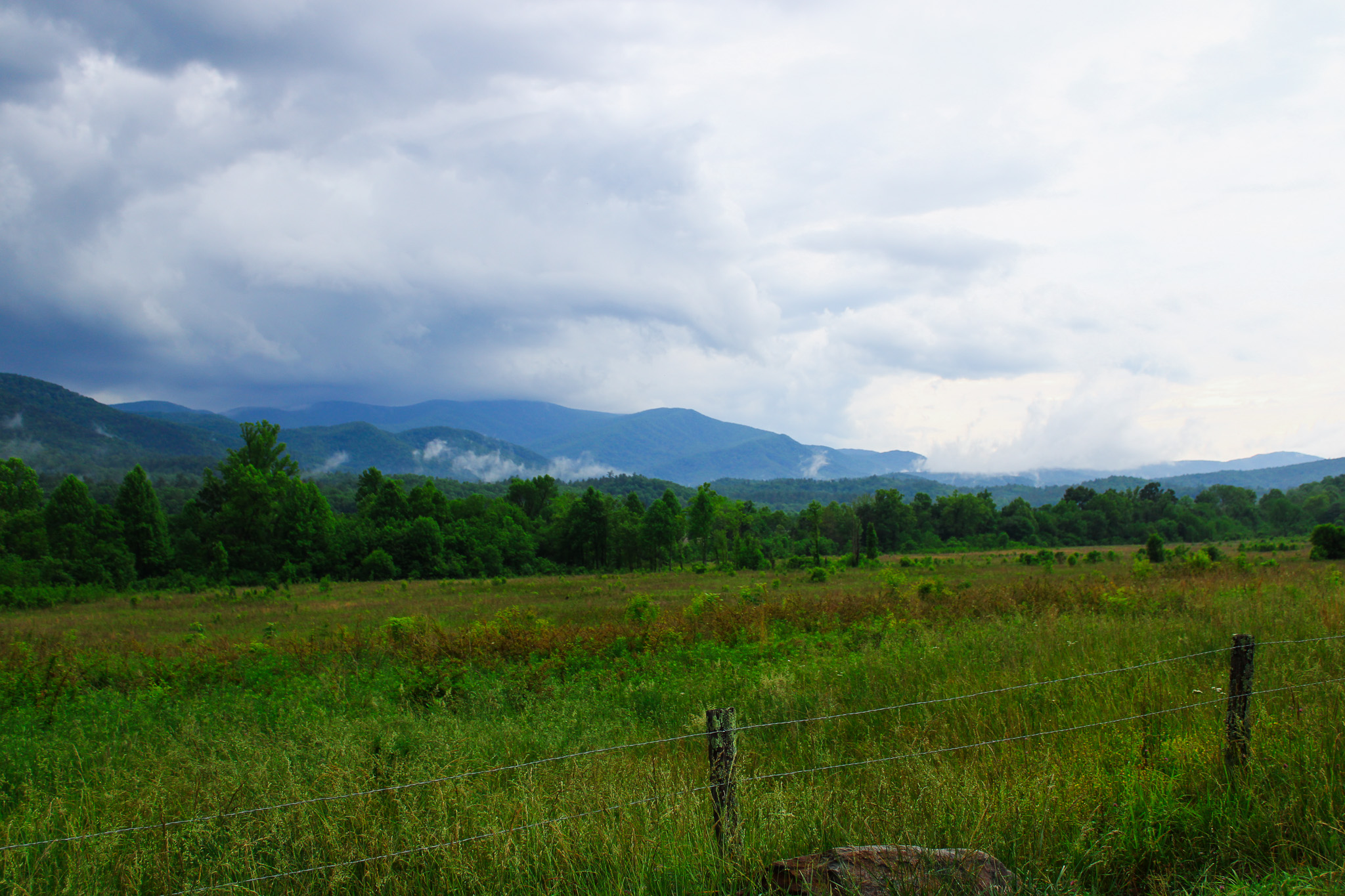
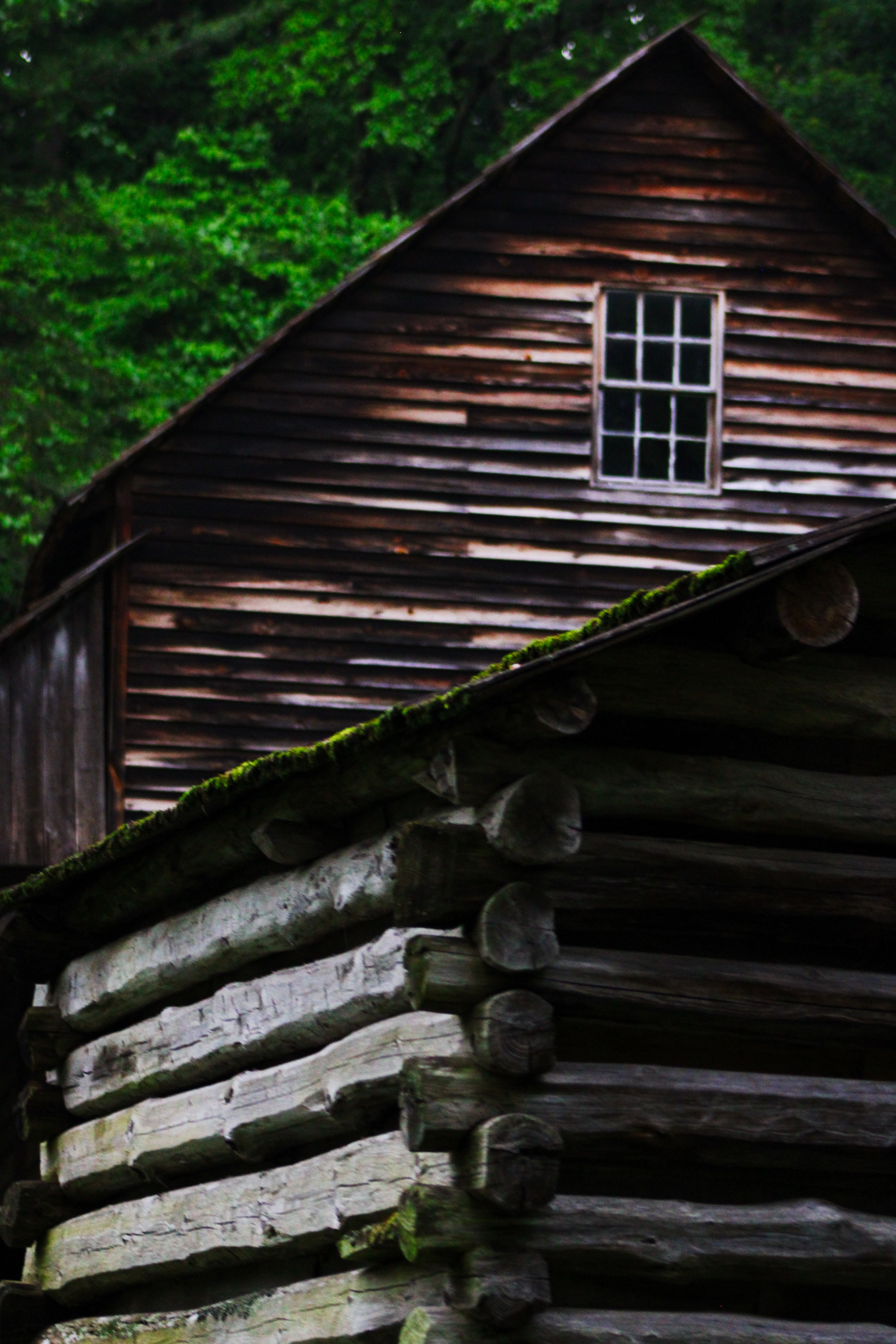
In the eighteenth and nineteenth centuries, European settlers moved into the Smokies and established farming communities in valleys such as Cades Cove, Cataloochee, and Oconaluftee. Life in these isolated mountain settlements was based on subsistence farming, hunting, and small-scale industry. Families built log cabins, smokehouses, churches, and mills, creating self-sustaining communities that persisted for generations. Cades Cove in particular remains one of the best-preserved examples of historic Appalachian life, with many original structures still standing today.
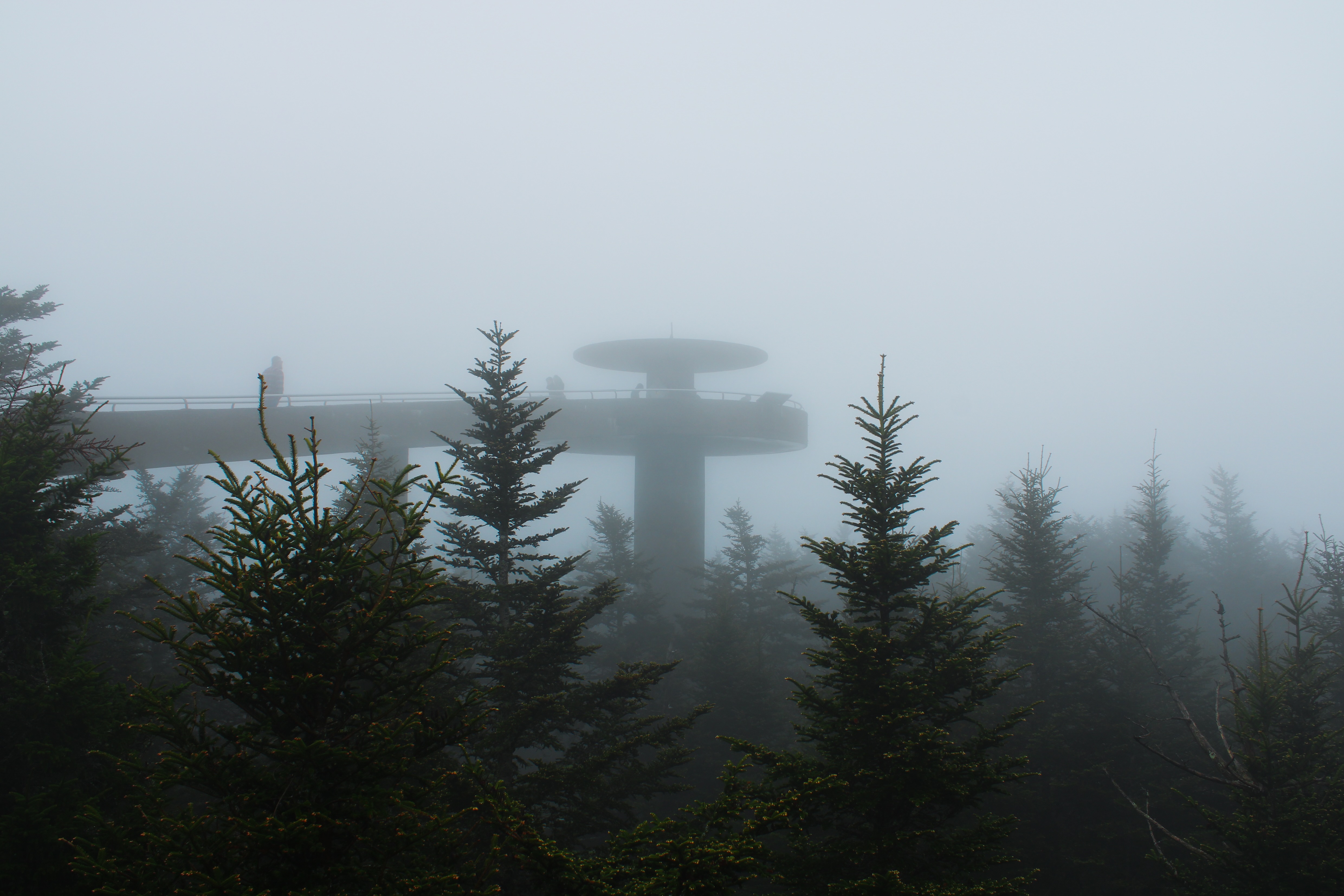
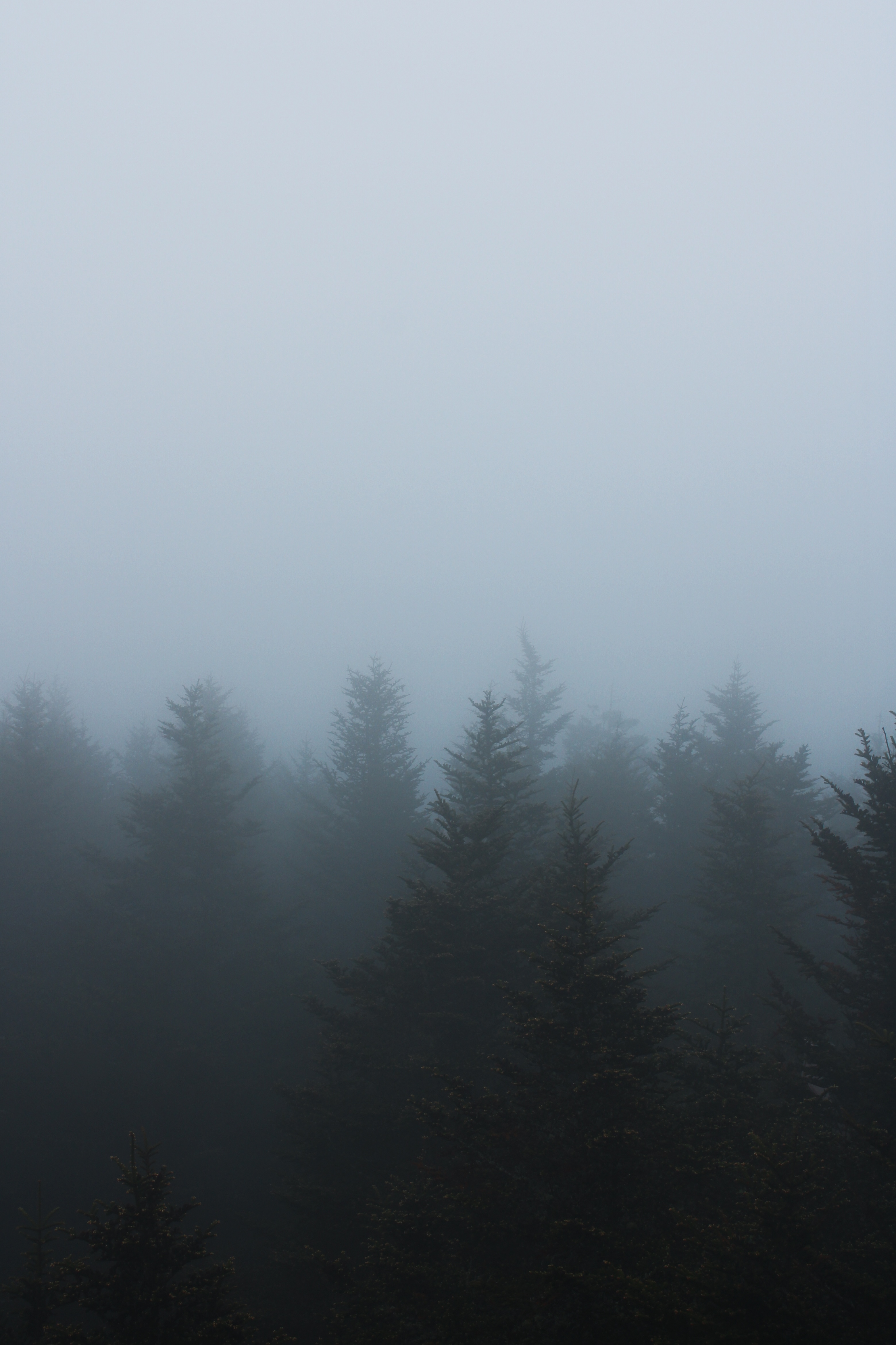
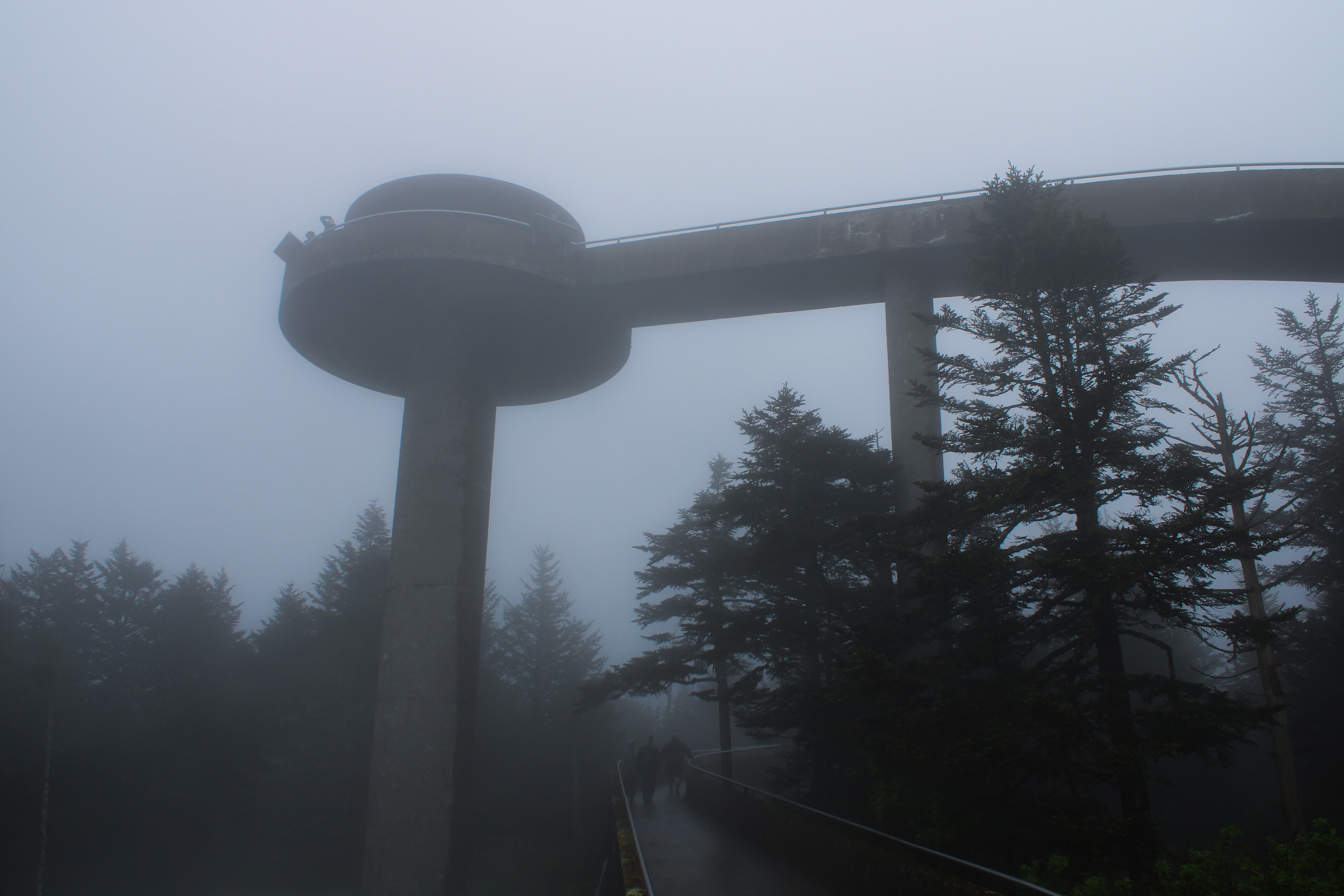
Clingmans Dome Through Fog
By the late nineteenth and early twentieth centuries, industrial logging dramatically altered the Smokies. Railroads expanded into the mountains, allowing timber companies to harvest old-growth forests on a massive scale. Forests, waterways, and wildlife habitats were heavily damaged during this period. In response, conservation advocates such as Horace Kephart played a major role in promoting preservation of the region. Kephart’s writings helped bring national attention to the Smokies and built support for the creation of a protected park.
Similarly to Shenandoah and Mammoth Cave, Great Smoky Mountains National Park was assembled through the purchase of thousands of private land parcels. State governments, private donors, and organizations contributed to the effort, including major financial support from philanthropists such as John D. Rockefeller Jr. The park was officially authorized by Congress in 1926 and formally dedicated in 1940 by President Franklin D. Roosevelt at Newfound Gap, a mountain pass that forms the border between Tennessee and North Carolina.
The creation of the park also came with the displacement of families who had lived in the mountains for generations. Entire communities were relocated as land was acquired for preservation, leaving behind cemeteries, foundations, and remnants of former homesteads that can still be found throughout the park today. During the 1930s, the Civilian Conservation Corps played a major role in developing park infrastructure, building roads, trails, campgrounds, and bridges that made the Smokies accessible while still preserving its natural character. Many of the routes and structures they built continue to support visitor access.
Today, Great Smoky Mountains National Park protects a rare combination of biodiversity, Appalachian history, and Cherokee heritage, making it one of the most visited and studied landscapes in the United States.
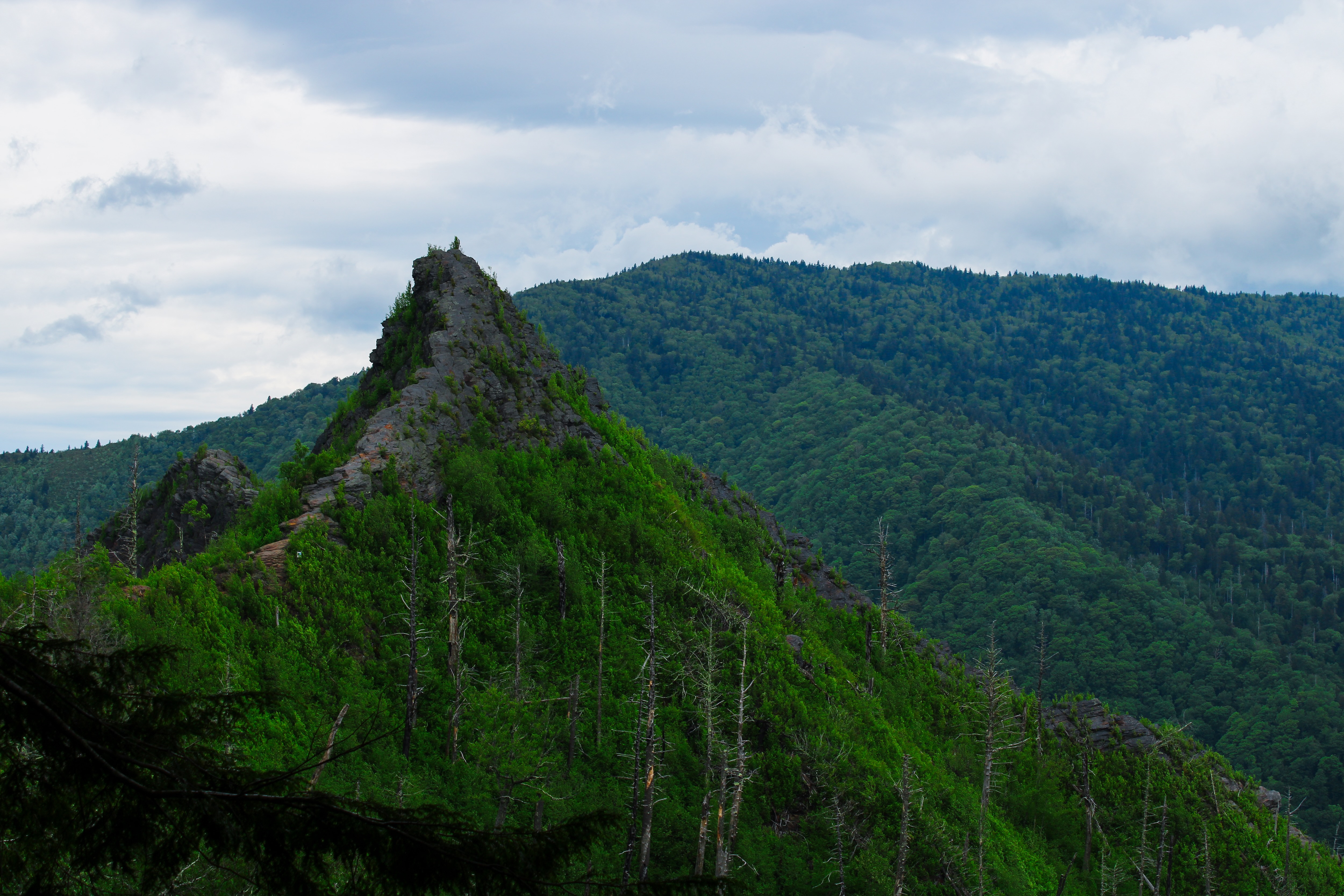
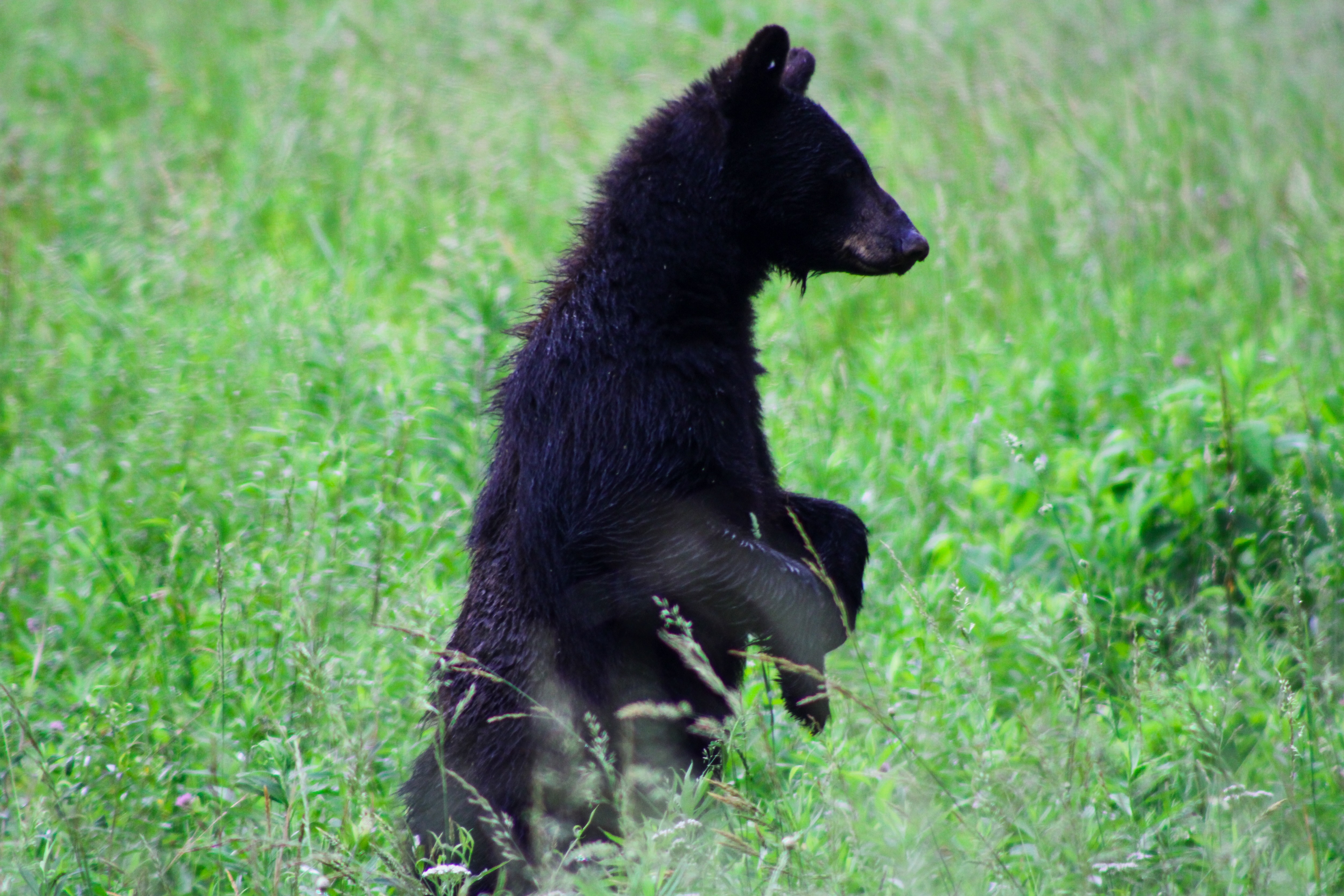
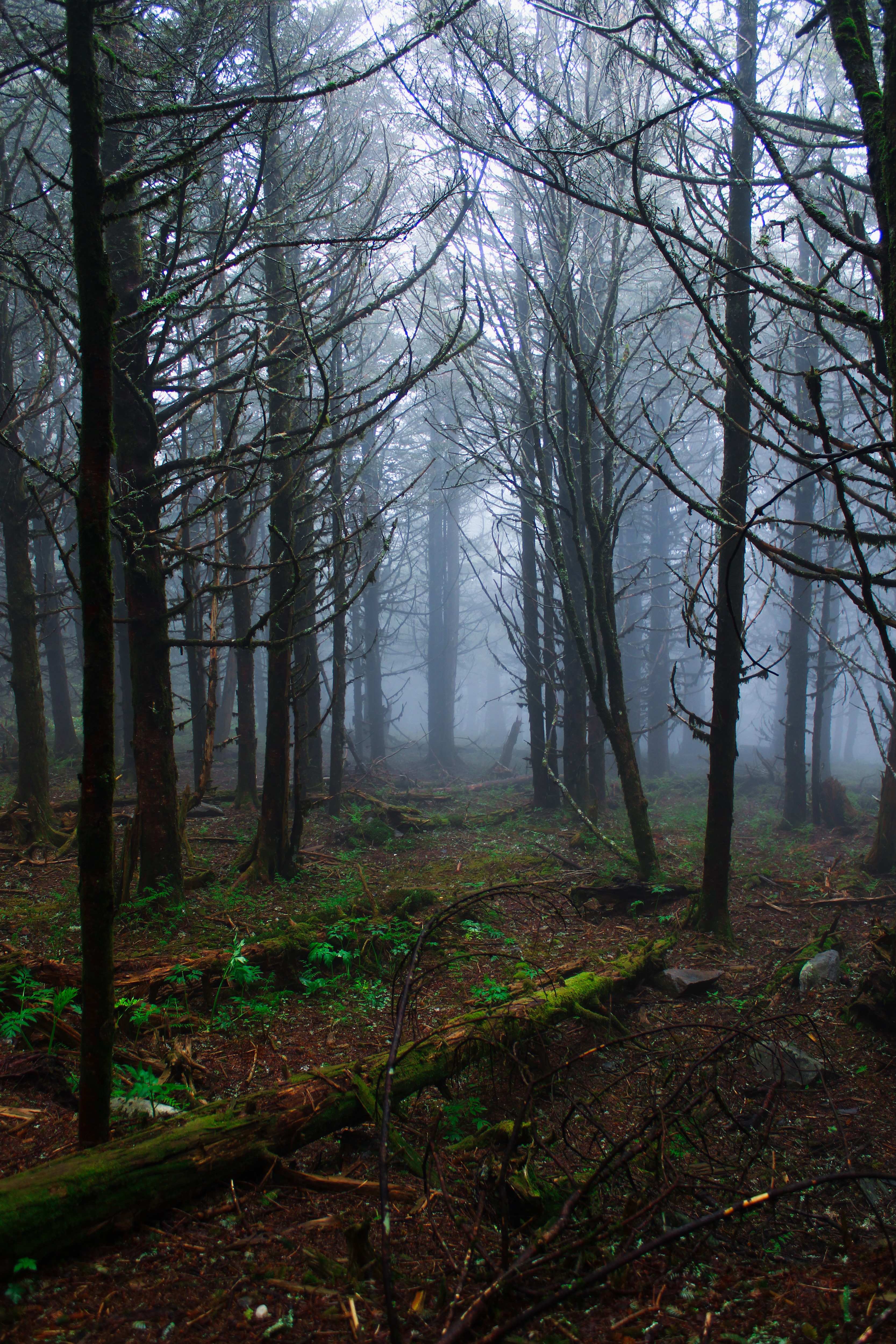
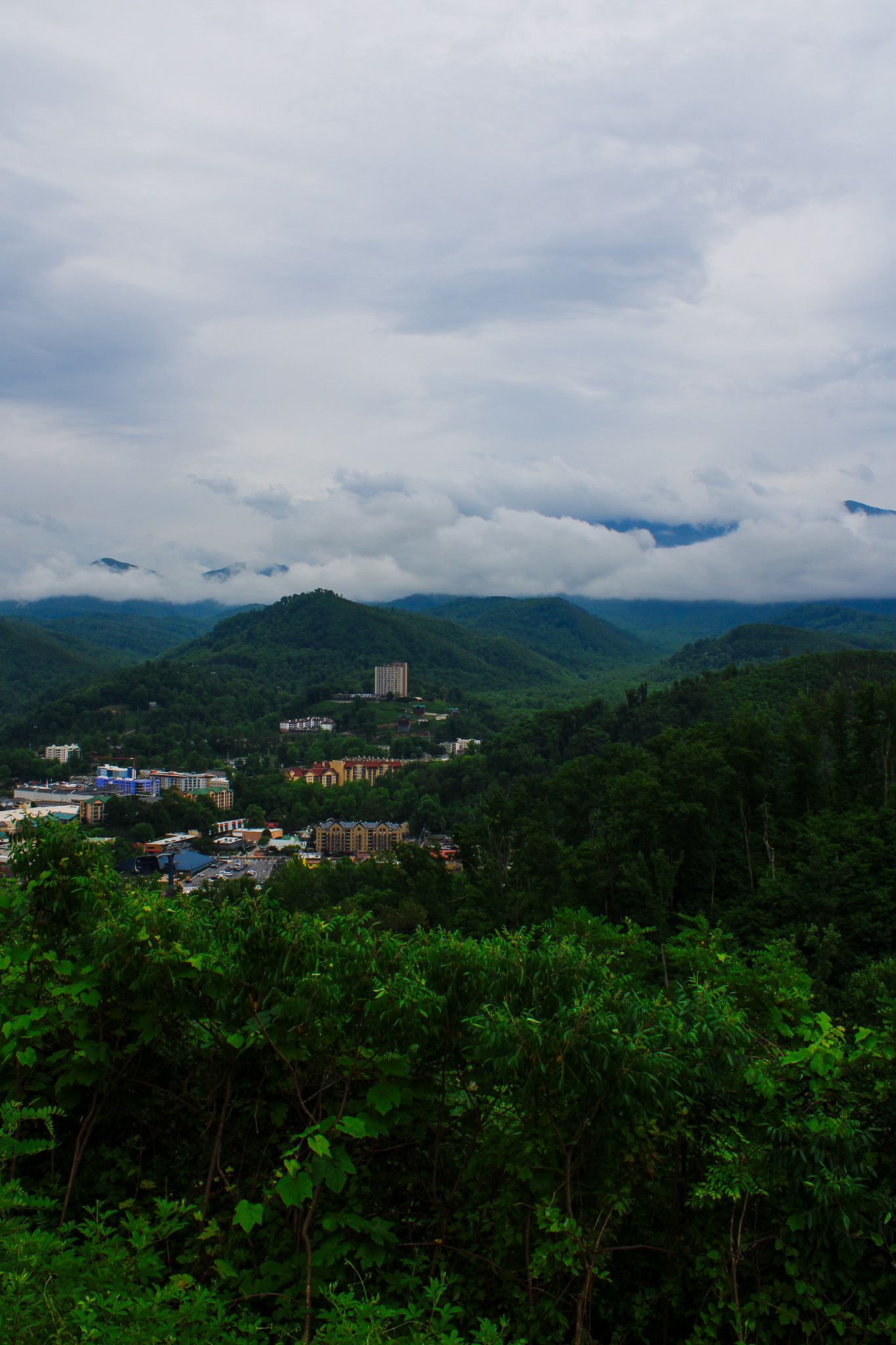
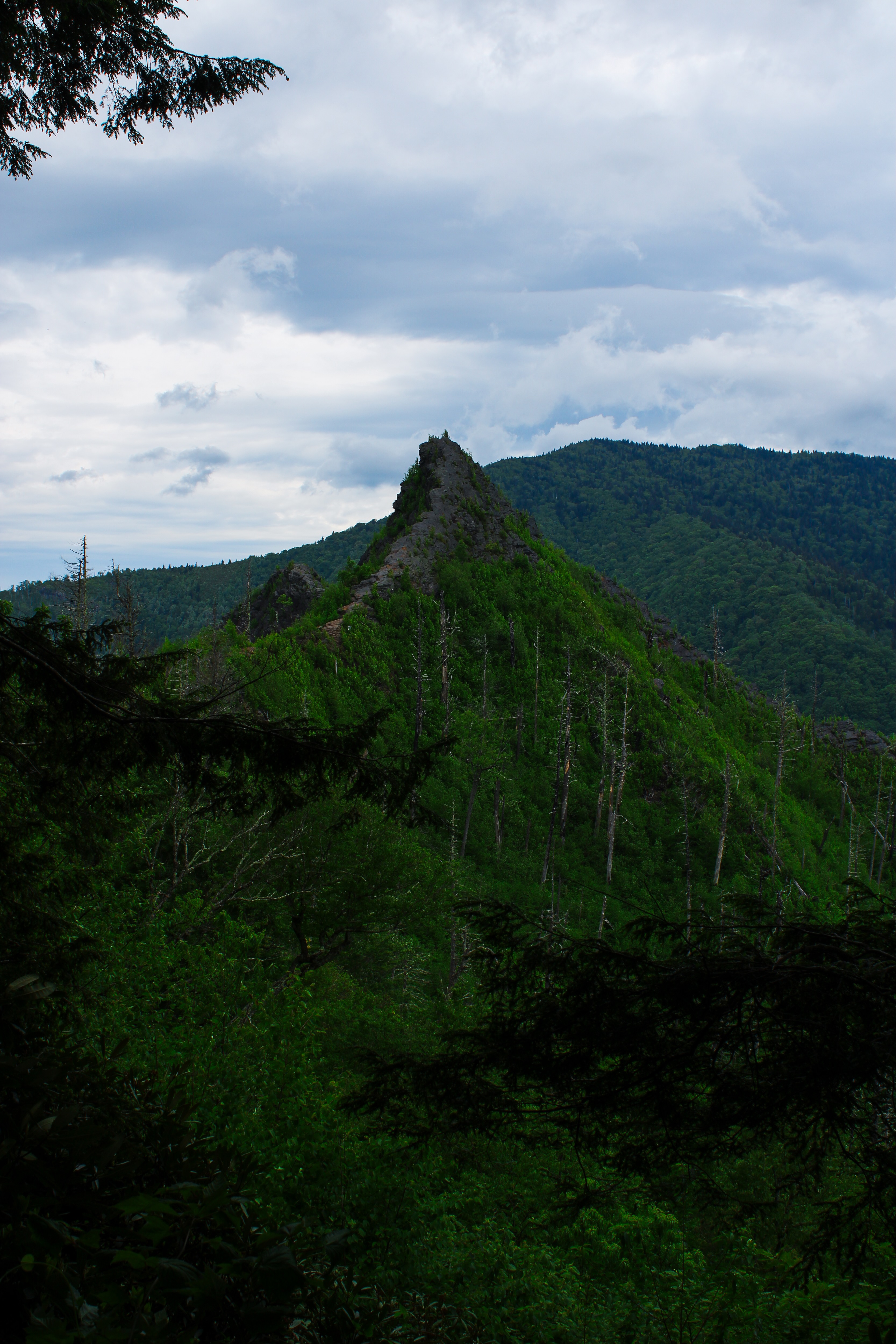
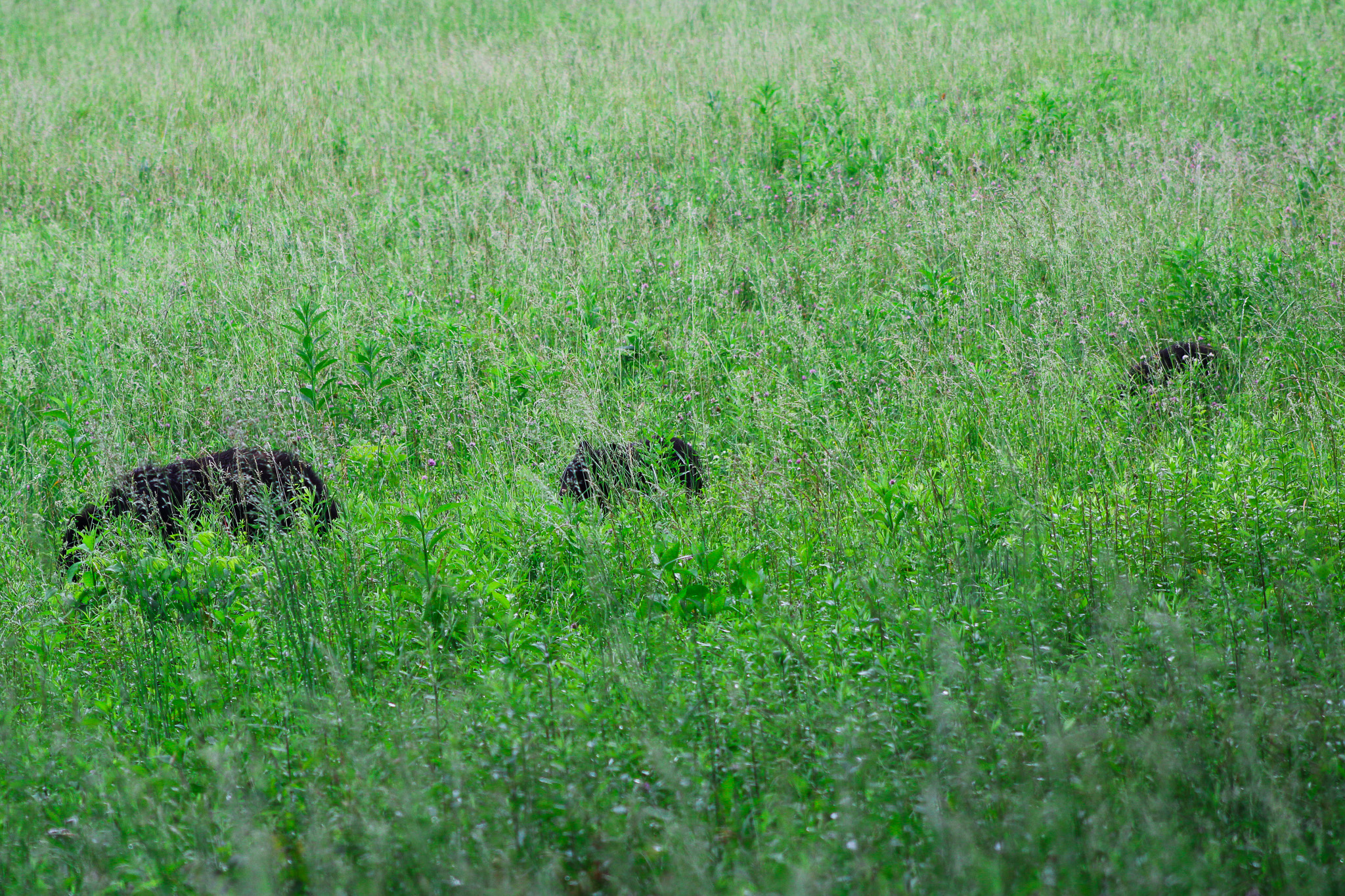
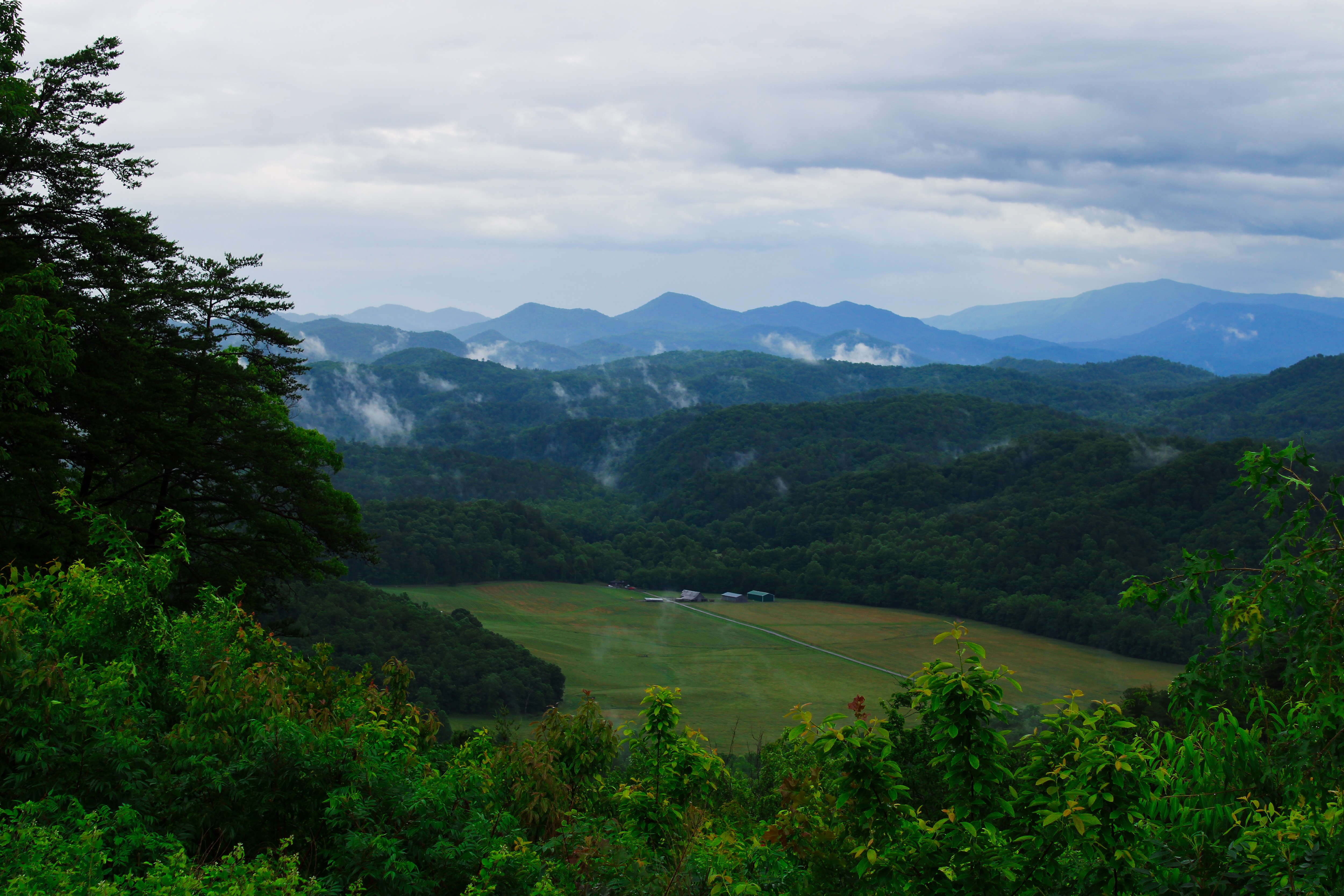
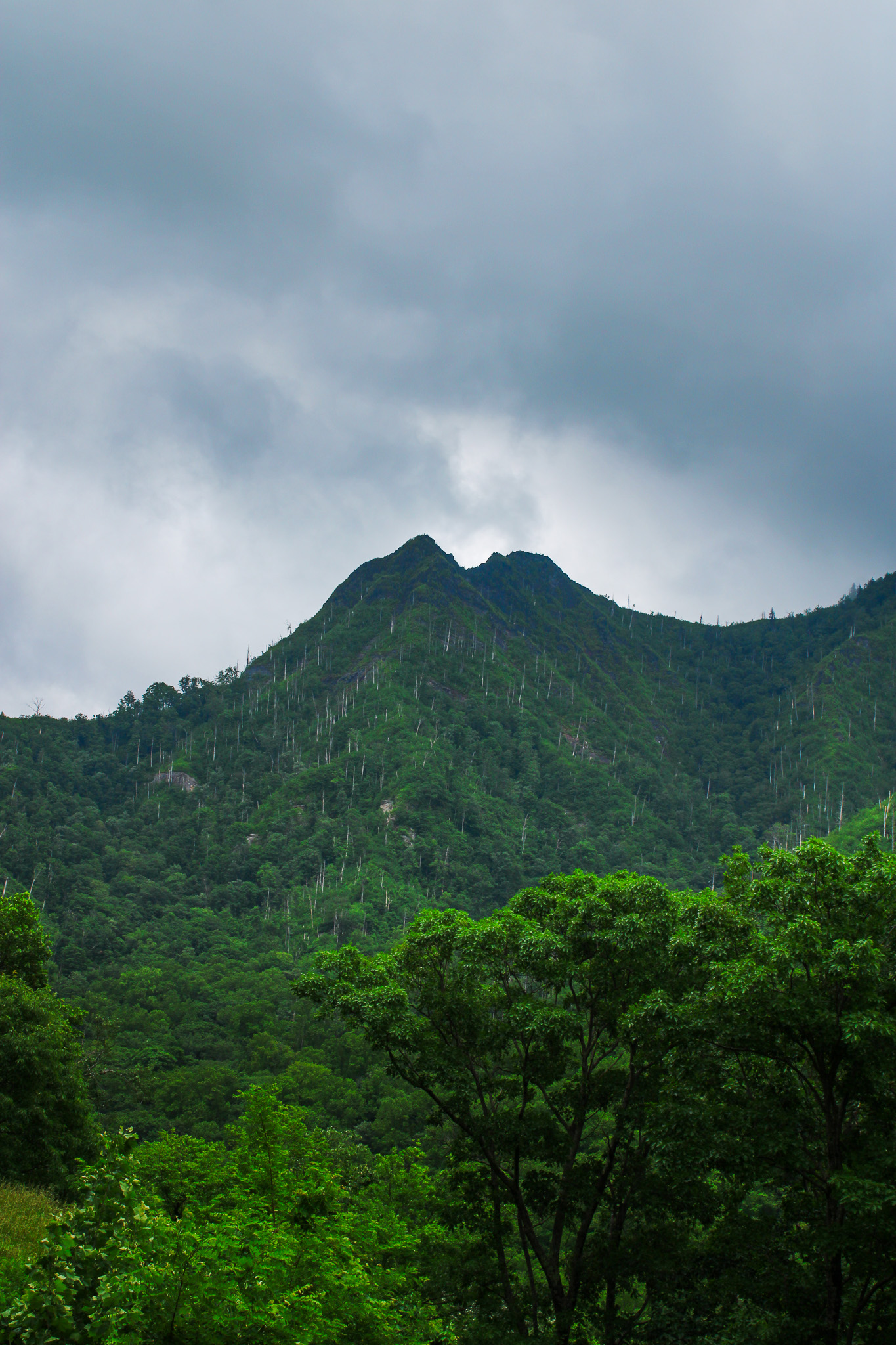
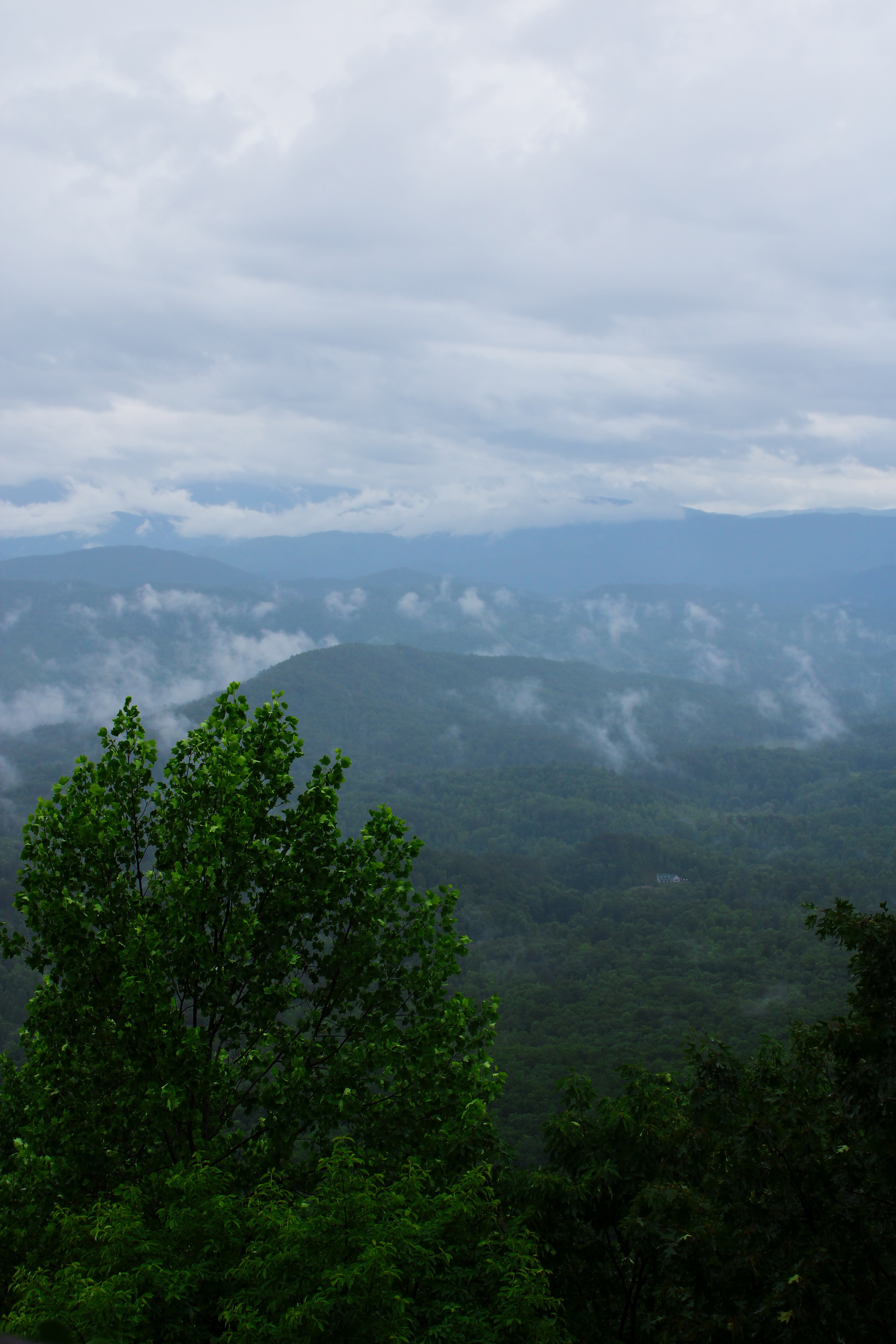
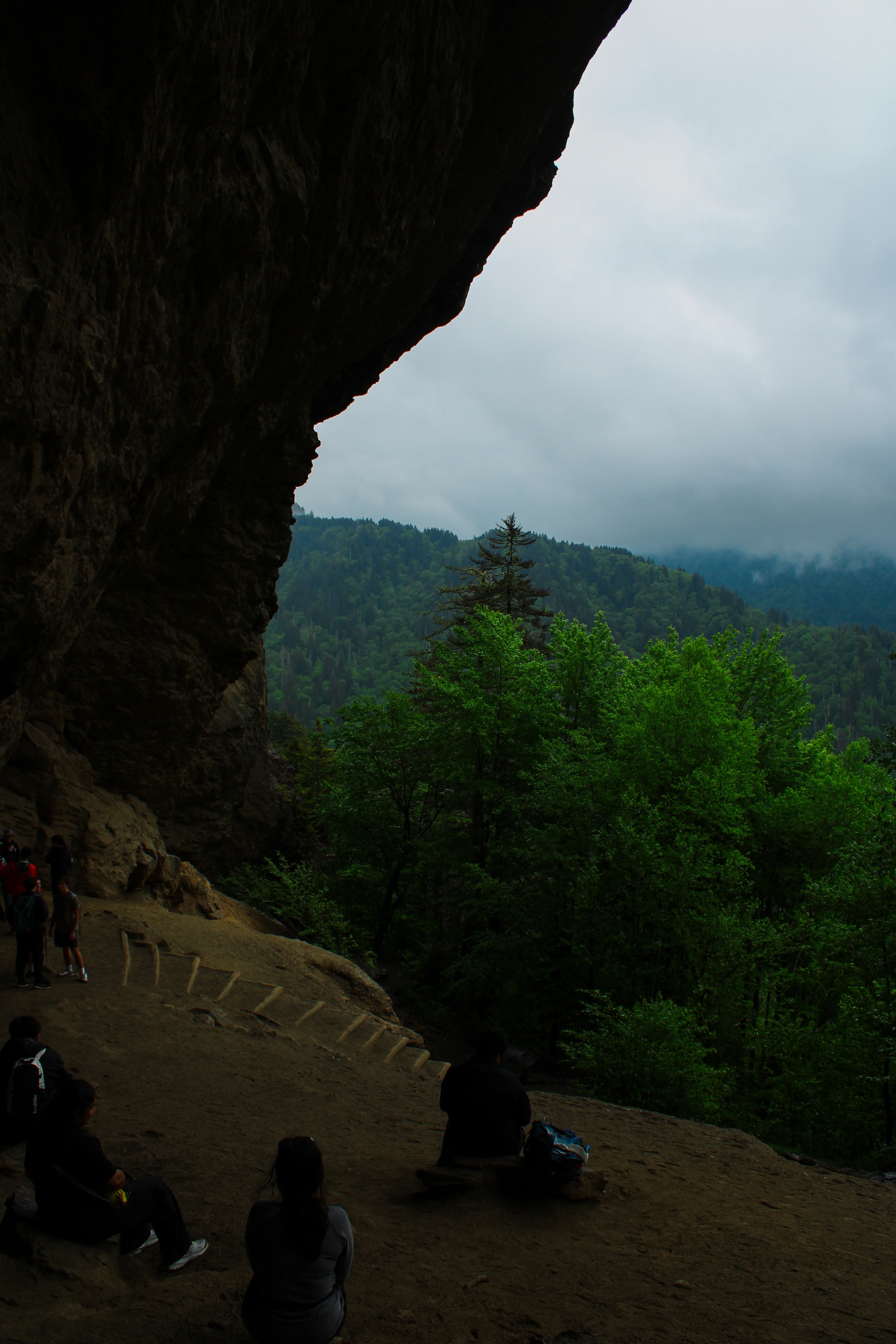
Overcast skies and rainy weather limited our visibility of the mountains during our stay. In my photography, I embraced the fog, creating a series of images that are dark, mysterious, and reflective of the mountains’ “smoky” name. Through cool tones and careful compositions, I created a collage of pictures highlighting wildlife, forests, and overlooks that distinguished the park from the others on my trip.
Click on each image to see the full sized version!